
(Vienna, 04 November 2026) – In advanced liver cancer, the immunotherapy-based combination of atezolizumab and bevacizumab is currently a standard treatment. However, the disease continues to progress in many patients despite this treatment. An interdisciplinary research team led by Matthias Pinter from MedUni Vienna has now investigated the transfer of gut bacteria – known as faecal microbiota transplantation – as a potential approach when immunotherapy proves ineffective. The promising results were published in the journal "Nature Communications".
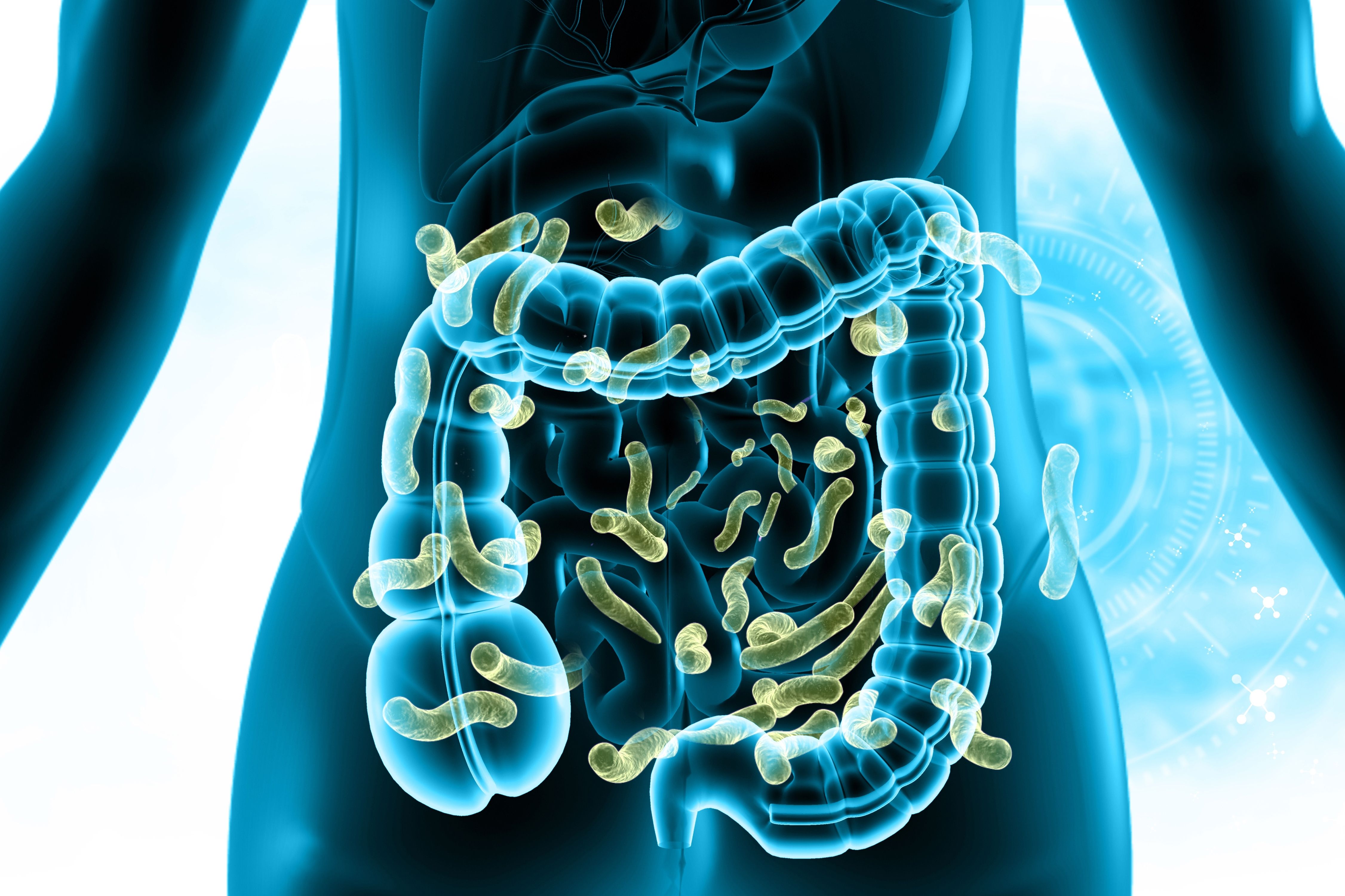
Twelve patients with hepatocellular carcinoma (HCC), the most common form of liver cancer, took part in the so-called FAB-HCC study. The study participants had previously received treatment with atezolizumab and bevacizumab, during which their disease had continued to progress. Both active substances are antibodies that influence different processes: Atezolizumab supports the immune system’s defence against cancer cells, whilst bevacizumab inhibits the formation of blood vessels that supply the tumour. As part of the study, the patients received a single faecal microbiota transplant via colonoscopy. During the procedure, gut bacteria were transferred either from a healthy donor or from a person with liver cancer who had responded well to immunotherapy. Immunotherapy with atezoliztumab plus bevacizumab was then continued.
"The faecal microbiota transplant was well tolerated and no significant new safety concerns arose," reports co-first author Katharina Pomej (Division of Gastroenterology and Hepatology, Department of Medicine III, MedUni Vienna). In four out of twelve participants (33 per cent), the tumour shrank significantly, whilst in a further six, the disease stabilised. "The bacterial composition in the participants’ gut became similar to that of the donor; this was particularly evident in recipients of stool from healthy donors. Furthermore, changes were observed in the blood regarding immune cells and the antibody profile," explains the study’s second first author, Adrian Frick (Division of Gastroenterology and Hepatology, Department of Medicine III, MedUni Vienna).
Gut bacteria are increasingly the focus of cancer research because they can influence the activity of the immune system in the fight against cancer cells. In liver cancer, the composition of the gut microbiome is often altered. "Our study provides initial evidence that a faecal microbiota transplant can alter the composition of this microbial community through the transfer of processed donor faeces," summarises study leader Matthias Pinter (Division of Gastroenterology and Hepatology, Department of Medicine III, MedUni Vienna) . However, whether this approach can be specifically utilised to overcome resistance to immunotherapy in liver cancer must first be clarified through further, larger-scale studies.
Publication: Nature Communications
FMT combined with atezolizumab-bevacizumab in hepatocellular carcinoma refractory to immunotherapy: an open label, single-arm, phase II pilot study.
Katharina Pomej, Adrian Frick, Bernhard Scheiner, Maximilian Baumgartner, Klaus G. Schmetterer, Carlos S. Reyna-Blanco, Lorenz Balcar, Larissa Pajancic, Abelina Kreuter, Joana Séneca, Bela Hausmann, Thomas Köcher, Melanie Prinzensteiner, Katharina Lampichler, Nataliya Rohr-Udilova, Adrija Chakrabarty, Anton Klotz, Annika C. Lampl, Kerstin Zinober, Katharina Regnat, Michael Trauner, David Berry, Dietmar Tamandl, Thomas Vogl, Christoph Gasche & Matthias Pinter.
https://www.nature.com/articles/s41467-026-78219-z