The Vienna Translational Medicine Conference will examine current developments and challenges in translational medicine. The focus is on promoting dialogue between basic research and clinical application, with the aim of translating scientific findings into innovative diagnostic, preventive and therapeutic concepts for patients.
With keynotes by international experts, discussions and poster awards, the conference offers a platform for interdisciplinary networking and the promotion of the ‘bench-to-bedside’ transfer – from the laboratory to clinical practice.
The conference forms part of the opening of the new Center for Translational Medicine at the Medical University of Vienna and focuses on bridging the gap between research and patient care.
Opening remarks
Translating science into survival
Christoph Huber
Co-founder of BioNTech and member of the University Council of the Medical University of Vienna
Keynotes
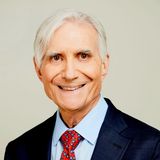
Peter Libby
Harvard University and Brigham and Women's HospitalPeter Libby is a cardiovascular specialist at Mass General Brigham and holds the Mallinckrodt Professorship of Medicine at Harvard Medical School. He served as Cardiovascular Medicine Chief from 1998 – 2014. Dr. Libby’s professional memberships include the Association of American Physicians, the American Society for Clinical Investigation, and honorary memberships in the British Atherosclerosis Society, the Japan Circulation Society, and the Japanese College of Cardiology. He has also served as the President of the Association of University Cardiologists. He served the American Heart Association as chairman of several research committees and member of executive committees. He has frequently consulted for the National Heart, Lung, and Blood Institute. He was president of the International Atherosclerosis Society from 2022-2024 and currently Presides the Residual Risk Reduction Initiative (R3i Foundation). His areas of clinical expertise include general and preventive cardiology. His major research focus is the role of inflammation in vascular diseases such as atherosclerosis.
Presented by the Research Cluster for Cardiovascular Medicine
Host: Christoph Binder
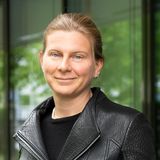
Anne Schaefer
Max Planck Institute for Biology of Ageing, Icahn School of Medicine at Mount SinaiAnne Schaefer is the current Managing Director at the Max Planck Institute for Biology of Aging in Cologne, Germany and Professor in the Department of Neuroscience and Psychiatry at the Friedman Brain Institute at the Icahn School of Medicine at Mount Sinai, New York. She joined Mount Sinai to establish her own laboratory, where she quickly rose through the ranks to Vice-Chair of the Department of Neuroscience and Co-director of the Glia Center and became a Max Planck Director in 2021. Dr. Schaefer has been honored with the NIH Director’s New Innovator Award, the Inaugural Landis Mentoring Award for Outstanding Mentorship by the NIH and was named a Kavli Frontiers of Science Fellow by the U.S. National Academy of Sciences. Dr. Schaefer’s research is redefining fundamental principles of brain homeostasis and opening new therapeutic opportunities for Alzheimer's disease and other neurodegenerative disorders.
Presented by the Research Cluster for Medical Neurosciences
Host: Sarah Melzer
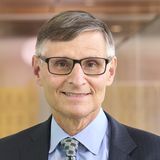
Benjamin Neel
New York UniversityBenjamin Neel is a Professor of Medicine at NYU Grossman School of Medicine and the former Director of the Laura and Isaac Perlmutter Cancer Center at NYU Langone Health. He previously was the William B. Castle Chair of Medicine at Harvard Medical School, and subsequently, Director of Research at Princess Margaret Cancer Center, Canada Research Chair, Tier 1, and Professor of Medical Biophysics at the University of Toronto. He is an elected member of the American Association of Physicians, the U.S. National Academy of Sciences, and the Royal Society of Canada. Dr. Neel’s research focuses on cellular signaling, with a particular interest in protein-tyrosine phosphatases (PTPs), the RAS/ERK pathway in pancreas and lung cancer, and the biology and evolution of ovarian cancer.
Presented by the Research Cluster for Cancer Research and Oncology
Host: Walter Berger
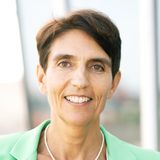
Maria Rescigno
CeMM Research Center for Molecular MedicineMaria Rescigno is scientific director at the Center for Molecular Medicine (CeMM) of the Austrian Academy of Science. She is also full professor at Humanitas University and group leader at Humanitas Research hospital, Milan, where she served as vice-rector and delegate for research from 2018 to 2025. Previously she worked at the University of Cambridge, the National Research Council of Milan and she has been the director of the Dendritic cell biology and immunotherapy Unit at the Department of Experimental Oncology at the European Institute of oncology. Dr. Rescigno has been pioneering the study of the interaction between host and microbes. Her major field of interest is mucosal immunology, the microbiota and the development of new cancer immunotherapy strategies.
Presented by the Immunology Research Cluster
Host: Andreas Bergthaler

Programme
- 08:00 | Registration, Slide-Center
- 09:00 | Welcome: Markus Müller, Michaela Fritz
- 09:10 | Opening Speech: Christoph Huber „Translating science into survival” (20´)
- 09:30 | Session Immunology & Oncology (120´)
- 09:30 | Immunology
Keynote: “Translational Medicine in the Microbiome Era: Are We Still Treating Only the Patient?”,
Maria Rescigno (CeMM – Research Center for Molecular Medicine)
Introduction: Andreas Bergthaler (Medical University of Vienna, Immunology Research Cluster) - 10:00 | Oncology
Keynote: “SHP2 in Health and Disease”, Benjamin Neel (New York University)
Introduction: Walter Berger (Medical University of Vienna, Research Cluster for Cancer Research and Oncology) - 10:30 | Panel discussion Immunology & Oncology (incl. questions from audience)
Maria Rescigno, Benjamin Neel, Andreas Bergthaler, Walter Berger
- 09:30 | Immunology
- 11:30 | Postersessions (90´)
For the Poster Pitch Sessions, the ePosters will be shown on the screens in the three rooms while the presenters give their pitches (6 × 3 min Poster Pitch | 1-min Changeover).
In addition, six poster stations will be placed throughout the venue. These stations will give participants access to all accepted abstracts- 11:35 – 11:58 Round 1
01 · Cardiovascular Medicine (Room 3.03)
02 · Neuroscience (Room 3.04)
03 · Immunology (Room 3.05) - 12:03 – 12:26 Round 2
04 · Medical Imaging (Room 3.03)
05 · Metabolism (Room 3.04)
06 · Digital Medicine (Room 3.05) - 12:31 – 12:54 Round 3
07 · Oncology (Room 3.03)
08 · Transplant (Room 3.04)
- 11:35 – 11:58 Round 1
- 13:00 | Session Cardiology & Neuroscience (120´)
- 13:00 | Cardiology
Keynote: "Inflammation in Atherosclerosis: A Translational Tale”,
Peter Libby (Harvard University and Brigham and Women's Hospital)
Introduction: Christoph Binder (Medical University of Vienna, Research Cluster for Cardiovascular Medicine) - 13:30 | Neuroscience
Keynote: “ ’Adaptive’ immunity by microglia”, Anne Schäfer (Icahn School of Medicine at Mount Sinai)
Introduction Sarah Melzer (Medical University of Vienna, Research Cluster for Medical Neurosciences) - 14:00 | Panel discussion Cardiology & Neurosciences (incl. questions from audience)
Anne Schäfer, Peter Libby, Sarah Melzer, Christoph Binder
- 13:00 | Cardiology
- 15:00 | Posterawards
Jury & Speaker Cluster/Platform - 15:15 | Closing
- 15:20 | Get-together
- 16:30 | End
Poster sessions & Poster awards
Poster sessions from the research clusters and research platforms of MedUni Vienna.
- Immunology
- Cancer Research and Oncology
- Medical Neurosciences
- Cardiovascular Medicine
- Transplantation
- Digital Medicine
- Metabolism
- Medical Imaging
ABSTRACT AND POSTER SUBMISSION DEADLINES
Start: Wednesday, June 03, 2026
Submission deadline: Friday, July 31, 2026
Extended Submission deadline: Monday, August 17, 2026
Notification of acceptance: Beginning of September, 2026
POSTER AWARD - BEST POSTER PER CATEGORY
- Certificate
- EUR 500 prize intended to support congress registration fees and travel expenses
ABSTRACT PRESENTATION TYPES:
- all accepted contributions will be presented onsite as ePosters
- The six best abstracts per category will be presented onsite in three minute pitch-sessions.
General Submission Information:
- Abstracts must be submitted online via the Vienna Translational Medicine Conference abstract submission portal: SUBMISSION PORTAL
- Abstracts sent by e-mail will NOT be accepted
- Abstract submissions will be peer-reviewed in an open review process.
- Abstracts containing no results or structure will be rejected.
- Abstracts with the obvious goal of advertising corporate products or services, will be rejected.
- Authors will be notified about the status of their submission and the final assignment onsite poster presentation via email by early September 2026
There will not be a printed abstract book.
To prepare your abstract submission please carefully read all the instructions and information in the sections “Guidelines and Submission Steps” and “Online Submission Portal” below.
ELIGIBILITY:
Abstract submissions are open to PhD students, MDs, and postdoctoral researchers.
Postdoctoral researchers must be no more than 5 years past their first doctoral degree.
Extensions to the eligibility period may be granted in the following circumstances:
- Maternity leave (18 months per child, or the actual duration of leave taken if longer)
- Paternity leave /Parental leave
- Long-term illness
- Mandatory military or civil service
- Other career interruptions of comparable nature
Submitters requesting an extension may be asked to provide appropriate supporting documentation.
GUIDELINES AND SUBMISSION STEPS
Once you are on the submission portal click on the “Create New Account” button to start with your abstract submission
SUBMISSION STEP 1: SUBMITTER INFORMATION
At the time of submission, applicants will be required to provide their contact details
- Author name
- Organization
- Email address
- Career stage / position
SUBMISSION STEP 2: TITLE
- In the title, please use capital letters ONLY where necessary
- Please DO NOT use line breaks in the title. Use italics only where required by nomenclature.
- The title is limited to 25 words
SUBMISSION STEP 3: CATEGORY
Submitter must select one of the eight available scientific categories that best reflects the content of their abstract. This category assignment will be used fort he reviewer allocation.
- Oncology
- Neuroscience
- Cardiovascular Medicine
- Immunology
- Imaging
- Transplant
- Metabolism
- Digital Medicine
SUBMISSION STEP 4: AUTHORS
No more than 30 authors can be listed.
- A maximum of 3 affiliations per author is allowed.
SUBMISSION STEP 5: ABSTRACT TEXT
The abstract body should be structured as follows:
- Introduction & Background
- Methods
- Results
- Conclusion
Formal Criteria
- The text cannot exceed 250 words, excluding title and authors.
- The abstract must be submitted in good English.
- Tables, graphics, illustrations are allowed.
- No literature must be cited.
- The text may be typed in or copy/pasted from an existing document.
- Special characters are widely supported.
SUBMISSION STEP 6: KEYWORDS
- Submitters need to provide three keywords describing their abstract. Please enter up to 3 keywords describing your work (at least 1 required).
SUBMISSION STEP 7: SUBMISSION SUMMARY
- The summary page will display all information related to your abstract.
- You may save the summary page for your records as a PDF. You will also receive a confirmation email after submission is completed.
- If you choose to delete the submission, this can be made on the platform. Please note that you will not be able to retrieve deleted submissions.
CORRECTIONS / WITHDRAWALS OF ABSTRACTS
- If the abstract is not yet final, it should be saved as a draft. This allows further editing until the submission deadline on July 31, 2026. Once the abstract has been submitted, no further changes are possible.
- Withdrawals are possible till July 31,2026 by email: translationalconference@wma.co.at
ONLINE SUBMISSION PORTAL
TECHNICAL INFORMATION
- For optimum results when using the online submission system, it is recommended to use one of the following browsers: Google Chrome, Mozilla FireFox or Safari.
- JavaScripts and cookies need to be enabled in your browser. Instructions to enable cookies are given on the login page.
ACCOUNT MANAGEMENT - PERSONAL INFORMATION
- The creation of a user account is required for the submission of an abstract. The account only needs to be created once (also if you choose to submit more than one abstract)
- By using the username and password you created you will be able to return and edit, delete or withdraw your abstract at a later stage.
- Attention: All correspondence regarding the acceptance of your abstract will be emailed to the address given by you in the „author section“. Please provide a working email address.
- When entering the online submission portal, click on „Create new account“. Fill in all required fields and save your personal information by clicking “Save & Continue” in the online form. Note: Please remember to create a password not being used for other logins (i.e. bank accounts, market places etc.)
- Once you have logged into the submission portal, you will be directed to the abstract submission site. Click on the adapt contact details tab and follow step by step the instructions for submission.
- At the end of the process, you will see a summary of your submission
CONDITIONS
With the submission of an abstract to the Vienna Translational Medicine Conference the presenting author:
- confirms that all authors are aware of and agree to the content of the abstract and support the data presented and that no other abstract of the same content has been submitted via this abstract submission process;
- accepts to be the contact person for all correspondence about the abstract and to inform co-authors and especially the presenting author about its status;
- states that for studies involving human or animal subjects, permission has been obtained from the relevant regulatory authority, and properly informed consent give where appropriate
- accepts responsibility for the accuracy of the submitted abstract;
- acknowledges that once the abstract has been submitted, changes, corrections or rewordings are not possible anymore
- acknowledges that withdrawals are possible after July 31, 2026
- agrees that the abstract submission is not possible without collecting, saving and processing her/his personal data. This is done in accordance with the most recent legislation on data protection (EU-GDPR 2018) and solely for the purpose of organising and realising the event.
- acknowledges that careful typing and proof-reading are essential as the abstract will appear, if accepted, as submitted;
- acknowledges that artificial intelligence–based tools may be used solely for language editing (e.g., spelling, grammar, clarity). All concepts, data, analyses, and conclusions are the authors’ original work. The use of generative artificial intelligence to create, alter, or substantively modify scientific content is not permitted.
Registration
The entire event will be held in English.
The official registration deadline has already passed. If you would like to attend the Vienna Translational Medicine Conference on October 2, you can still register on-site before the event.
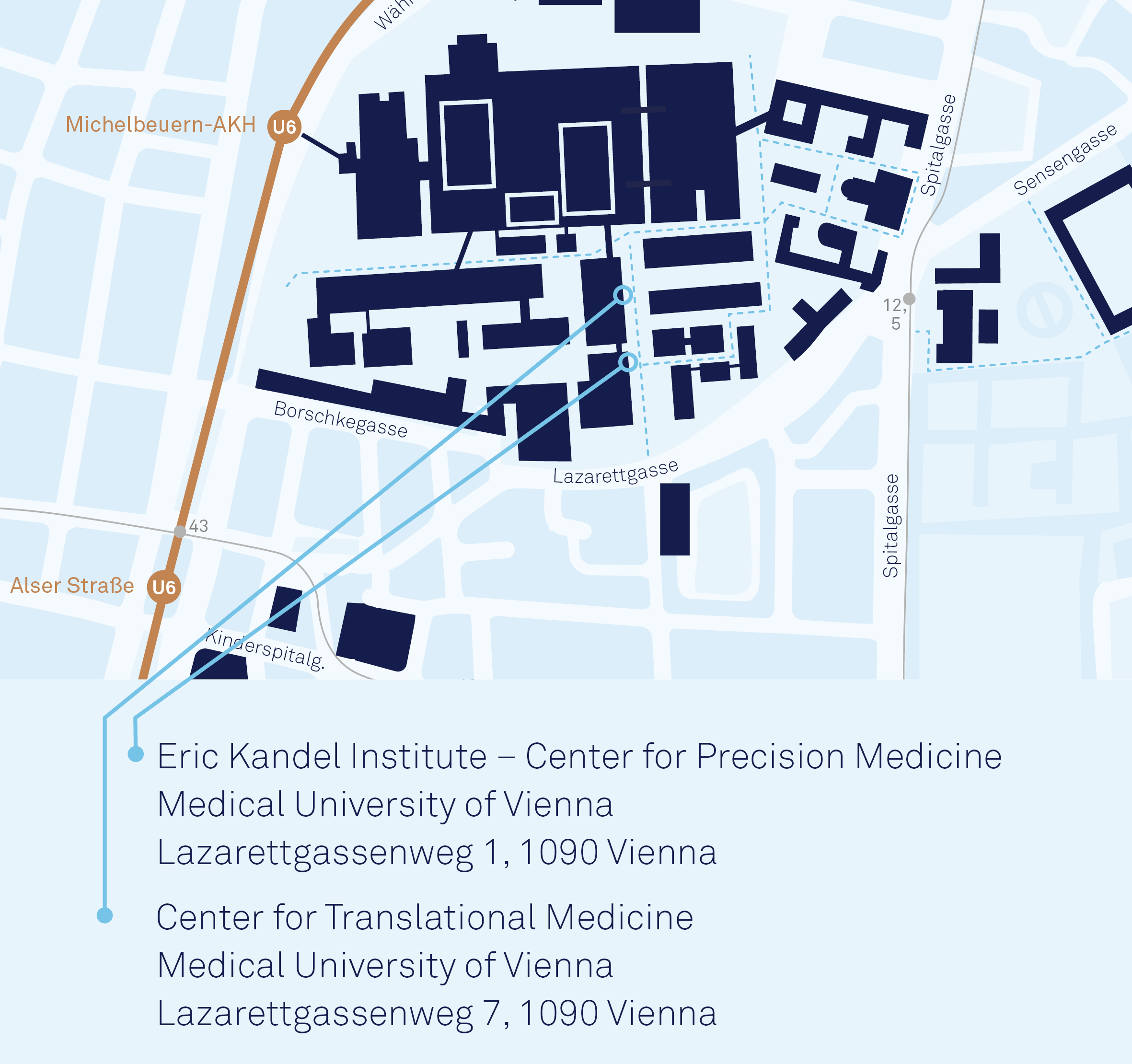
Site plan