
(Vienna, 20 February 2026) An international research team, with significant involvement from the Medical University of Vienna, has developed a new AI-based analysis method that can accurately classify brain tumours using genetic material from cerebrospinal fluid (CSF) and monitor the progression of the disease. In future, the method could enable earlier diagnosis before surgery, reduce invasive procedures and improve the monitoring of treatment success. The results have recently been published in the leading journal Nature Cancer.
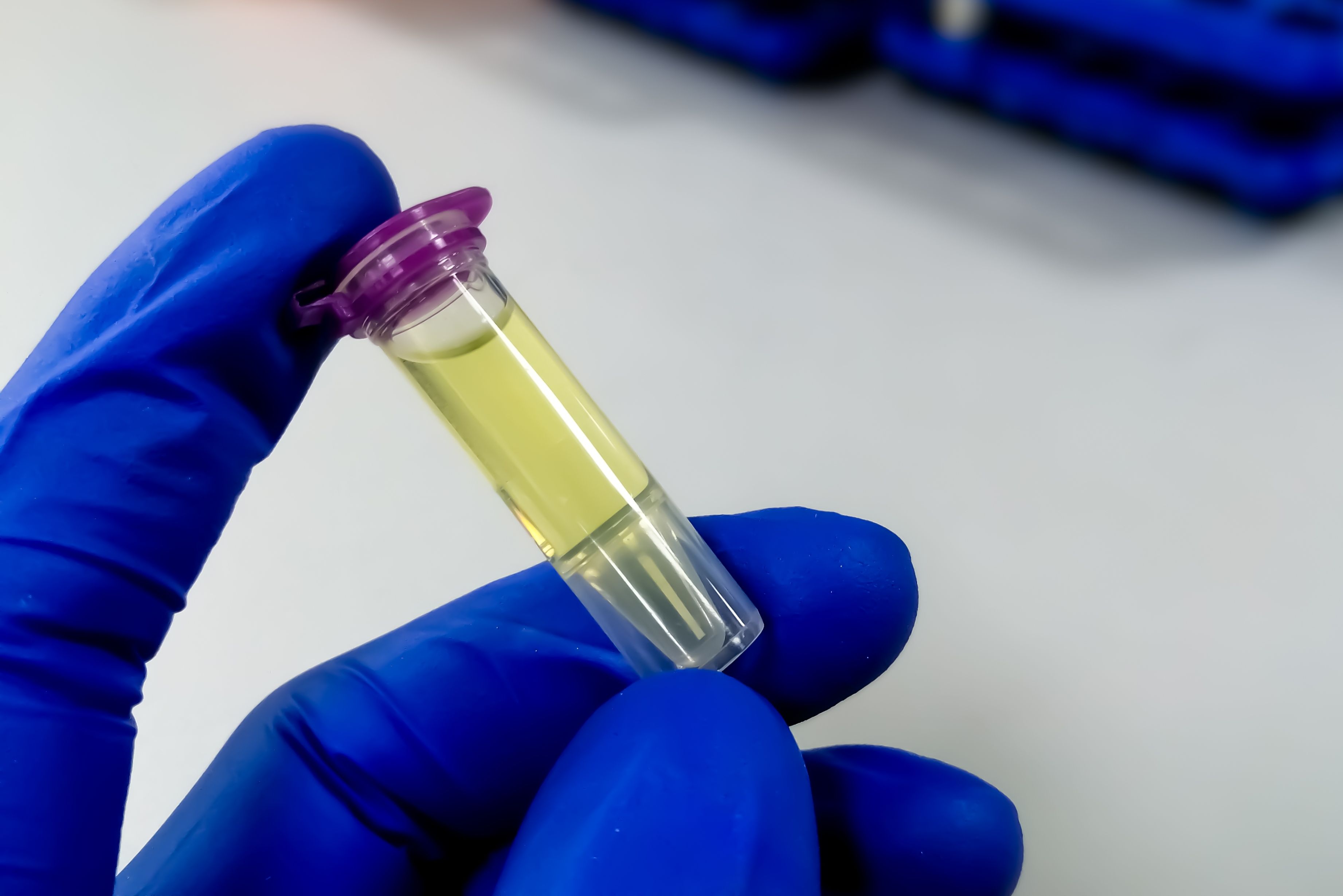
In the recently published study, the researchers present the AI tool "M-PACT" (Methylation-based Predictive Algorithm for CNS Tumours). The algorithm analyses cell-free DNA from cerebrospinal fluid samples. These are tiny fragments of genetic material that are released into the cerebrospinal fluid by cancer cells. This tumour DNA, which occurs freely in the cerebrospinal fluid, carries characteristic molecular patterns that can be used to reliably classify different types of brain tumours – even in extremely small quantities. The work was carried out in close collaboration between the Medical University of Vienna, St. Jude Children's Hospital (USA) and the Hopp Children's Cancer Centre (KiTZ) in Heidelberg.
Precise tumour classification without tumour tissue
Until now, the diagnosis of brain tumours has relied heavily on tissue samples from neurosurgical procedures. However, these are not always possible or are associated with significant risks. The newly developed approach instead uses cerebrospinal fluid as a source of cell-free tumour DNA. With the help of M-PACT, brain tumours could be classified with high accuracy, even when only very small amounts of tumour-associated DNA were available. In addition, the method makes it possible to track genetic changes and epigenetic signatures during the course of the disease. This opens up the prospect of non-invasive monitoring of treatment response, relapses or secondary tumours for the first time.
Potential for earlier diagnosis and better monitoring of disease progression
"Our approach shows that precise molecular diagnostics is possible for the majority of paediatric brain tumours even without tumour tissue," says Johannes Gojo, paediatric oncologist at the Department of Pediatrics and Adolescent Medicine at the Medical University of Vienna and one of the lead authors of the study. This could make a decisive difference, especially for children with tumours that are difficult to access or in the early stages of the disease. Gojo: "In the long term, this technology opens up the possibility of diagnosing brain tumours from a cerebrospinal fluid sample before surgery and monitoring the course of the disease closely and less invasive."
International cooperation and clinical perspective
The study is based on the analysis of cerebrospinal fluid samples from several international centres and shows a high degree of agreement between the AI-based classification and established tissue-based reference methods. The authors emphasise that further prospective clinical studies are necessary to translate the approach into routine clinical practice.
Publication: Nature Cancer
M-PACT leverages cell-free DNA methylomes to achieve robust classification of paediatric brain tumours.
Kyle S. Smith, Tom T. Fischer, Katie Han, Anna Kostecka, Hong Lin, Daniel Senfter, Taha Soliman, Natalia Stepien, Stefanie Volz, Nathalie Schwarz, Tatjana Wedig, Sibylle Madlener, Christine Haberler, Sandeep K. Dhanda, Santhosh A. Upadhyaya, Patrick R. Blackburn, Maria T. Schmook, Judith de Bont, Hannu Haapasalo, Justina Dargvainiene, Frank Leypoldt, Stefan M. Pfister, Esther Hulleman, Brent A. Orr, Amar Gajjar, Giles W. Robinson, Joonas Haapasalo, Kristiina Nordfors, Johannes Gojo, Kristian W. Pajtler, Kendra K. Maass & Paul A. Northcott.
https://www.nature.com/articles/s43018-026-01115-4