
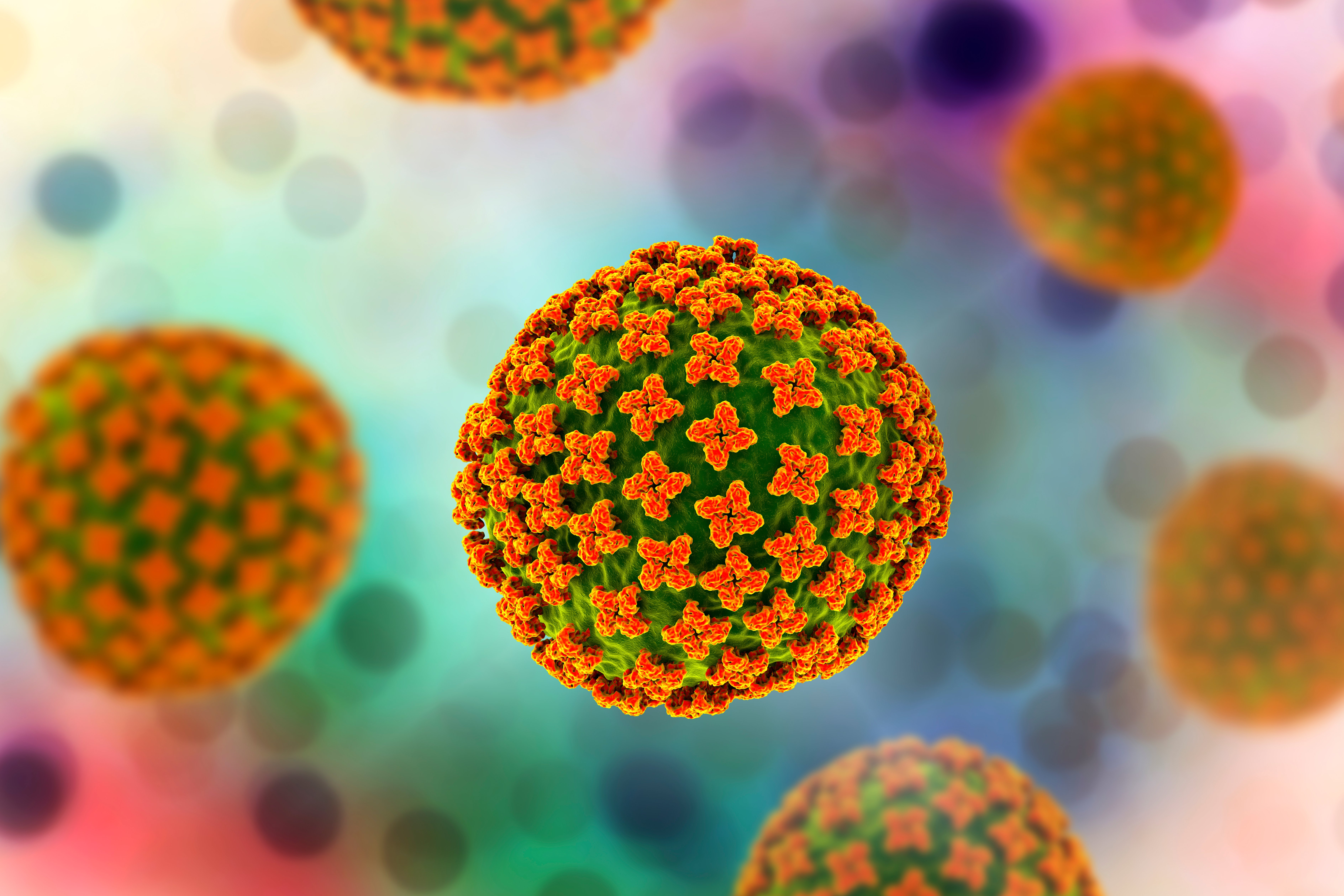
(Vienna/Graz, 21 January 2026) In Austria, an average of 20 to 25 infections with the hantavirus, especially with the Puumala virus variant, are diagnosed each year, with more than 200 cases reported in some years. Until now, it was not known how long the immunity acquired after a Puumala virus infection lasts with the production of antibodies, and whether this antibody response is also directed against other hantaviruses and thus possibly protective. Now, an international research group led by Robert Krause from the Medical University of Graz and Florian Krammer, Professor of Infectious Medicine at MedUni Vienna and Head of the interuniversity Ignaz Semmelweis Institute, has investigated the immune responses elicited in Styrian Puumala virus patients. The results have now been published in the journal eBioMedicine.
As part of the longitudinal cohort study, the immune response of around 20 patients was characterised in detail. All of the individuals examined developed a strong neutralising immune response to the Puumala virus. Interestingly, this immune response became stronger over an observation period of about six months. Furthermore, it was also observed that the immune response became broader over time and many patients also developed neutralising antibodies against distantly related hantaviruses such as the South American Andes virus. Furthermore, the composition of the antibody response changed over months in a similar way to that observed in Ebola virus infections, where the virus can often remain in certain organs even after the symptoms have subsided.
"It is, of course, very reassuring to see that a strong neutralising antibody response develops after infection, which probably protects against reinfection," summarises Stefan Hatzl, one of the two lead authors of the study and an intensive care physician at the Medical University of Graz. "And now, of course, it would also be very important to find out whether the virus really persists in the body for some time and, of course, where," the physician continues.
"The broad neutralising immune response we observed could form the basis for vaccines that protect against a variety of hantaviruses found worldwide. Furthermore, such antibodies could also be used as a therapy, which we are currently working very intensively on developing," say Florian Krammer and Robert Krause, looking to the future. The two study leaders plan to continue their work on Puumala virus infections in Styria as part of the Ignaz Semmelweis Institute, an inter-university institution for research into infectious diseases.
Hantavirus infections, which occur in Austria mainly in Styria and eastern Carinthia, cause mild to life-threatening illnesses with kidney, lung and circulatory failure. In North and South America (Sin Nombre and Andes viruses), the infection is fatal in around 40 to 50 percent of cases, while in Austria the mortality rate is significantly lower at around one to four percent. Hantaviruses, in Austria mainly the Puumala virus variant, are transmitted to humans by bank voles via dried excrement. This often happens when cleaning garages or garden sheds and when working in the garden or in agriculture. In Austria, an average of around 20 to 25 cases are diagnosed each year, with more than 200 cases recorded in some years (e.g. 2012, 2019, 2021).
Publication: eBioMedicine
Cross-binding antibodies capable of neutralising diverse hantaviruses are produced in response to Puumala virus infection.
Jordan Clark*, Stefan Hatzl*, Kirill Vasilev, Robert Andreata-Santos, Jeremy S. Yong, Eva Mittler, Ezgi Kasikci, Kartik Chandran, Viviana Simon, Robert Krause& and Florian Krammer&
DOI:10.1016/j.ebiom.2025.106091
https://www.thelancet.com/journals/EBIOM/article/PIIS2352-3964(25)00541-9/fulltext