
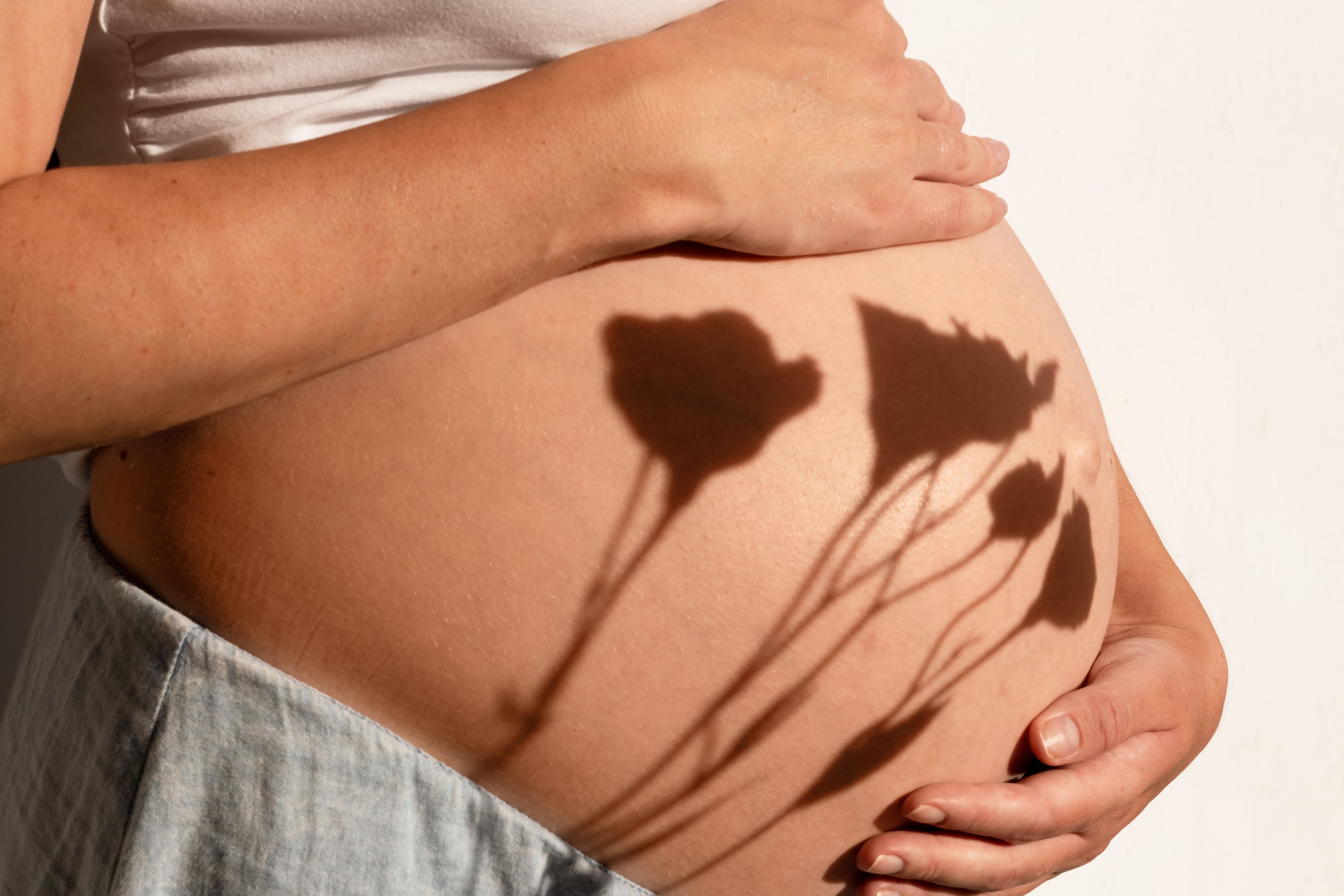
(Vienna, 03-06-2026) A recent study by the Medical University of Vienna, the University of Vienna and the University of Calgary shows that higher ambient temperatures during certain stages of pregnancy are associated with reduced body length in newborns. The study was based on data from more than 1.2 million singleton births in Austria between 1984 and 2014, combined with detailed temperature records from 39 districts. The findings, recently published in the "American Journal of Human Biology ", highlight a previously little-noticed effect of global warming.
In addition to ambient temperature, the research team led by Thomas Waldhör (Center for Public Health, MedUni Vienna) also analysed other relevant factors influencing foetal growth. These include the mother’s age and educational level, the child’s sex, the duration of pregnancy, the year of birth, the number of previous births, and the mother’s ethnic background. The results show that higher ambient temperatures are associated with shorter body length in newborns during certain phases of pregnancy. This effect is particularly pronounced in the first few weeks after conception and again from around the 15th week of pregnancy until birth. In the middle phase of pregnancy (weeks 10 to 14), however, no link could be established.
Overall, the observed effect is relatively small: a calculated shift in the due date from January to October is associated, on average, with a birth length that is approximately 0.8 millimetres shorter. Nevertheless, the results provide important evidence that environmental factors such as temperature can influence foetal growth. "The study shows that exposure to heat during pregnancy should be given greater consideration in scientific and health policy circles," says Thomas Waldhör. "In view of global warming and rising temperatures, further studies are certainly needed to better understand the mechanisms involved and to develop prevention strategies for pregnant women."
Publication: American Journal of Human Biology
Climate Matters—Association Between Ambient Temperature During Pregnancy and Birth Length in Austria Between 1984 and 2014—A Population-Based Study.
Thomas Waldhör, Sylvia Kirchengast, Lin Yang
DOI: 10.1002/ajhb.70273
https://doi.org/10.1002/ajhb.70273