
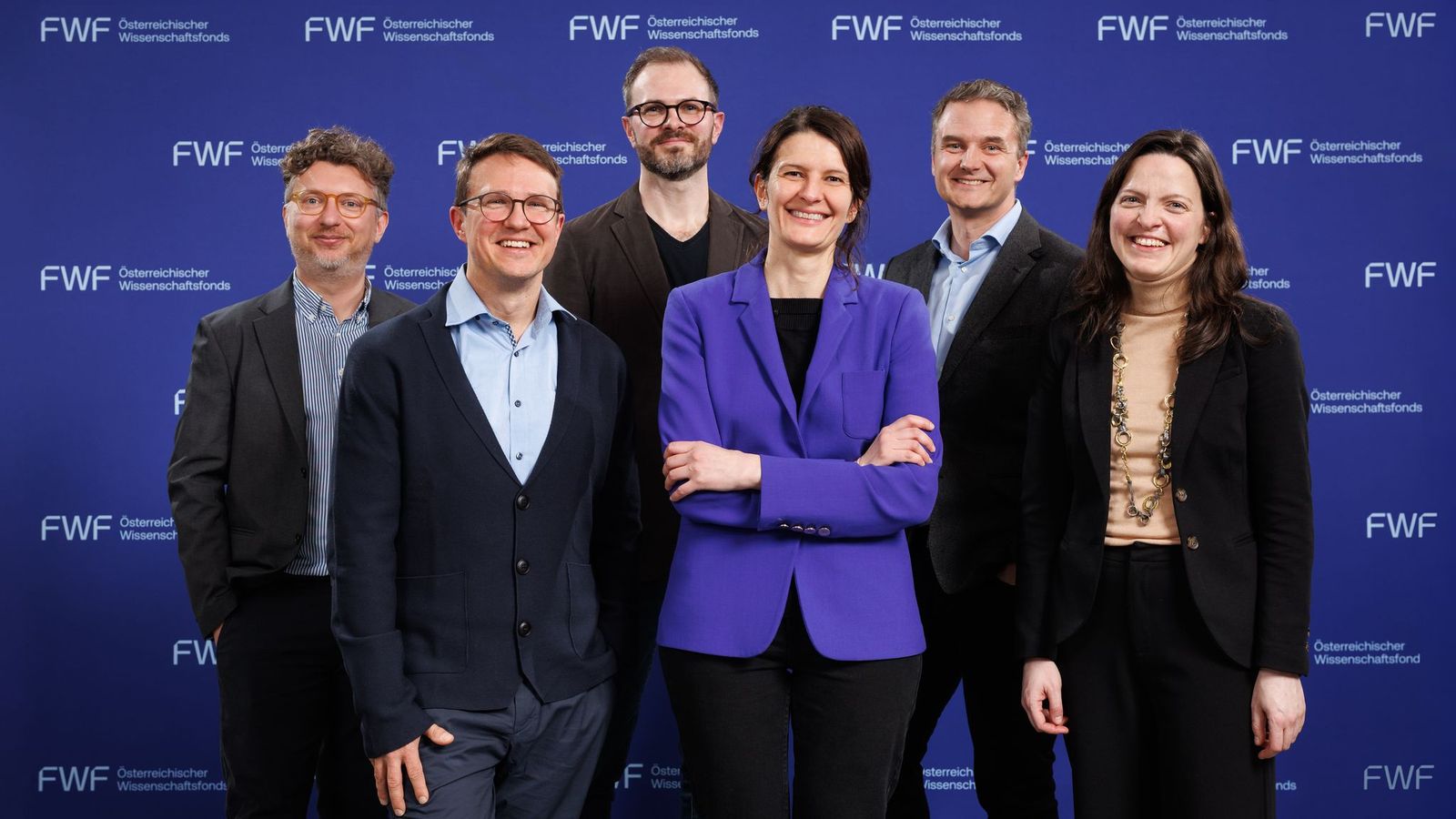
(Vienna, 09 March 2026) The Medical University of Vienna is participating in a newly approved Emerging Field of the Austrian Science Fund (FWF) through Max Perutz Labs and is also providing the consortium coordinator, Gülsün Elif Karagöz. The research project investigates how ribosomes influence the development and resistance to therapy of childhood cancers, with the aim of laying the foundation for new, more effective and safer therapeutic approaches.
As part of the excellent=austria initiative, the FWF is funding six other Emerging Fields consortia with a total of around 35 million euros. One of these consortia is dedicated to paediatric cancers and their "ribosome code". The project will receive 6 million euros in funding over five years.
For the Medical University of Vienna, the new Emerging Field is a key contribution to strengthening innovative basic research at the interface of molecular biology and cancer research. The consortium is coordinated by Gülsün Elif Karagöz at the Max Perutz Labs of the Medical University of Vienna. Researchers from St. Anna Children's Cancer Research, the University of Vienna and the University of Veterinary Medicine Vienna are also involved.
New approaches in paediatric cancer research
Despite major advances in cancer treatment, therapeutic options for many children with cancer remain limited. In addition, there is resistance to therapy and, in some cases, severe side effects. The new Emerging Field therefore focuses on a previously neglected level of gene regulation: the control of protein production from RNA in the cell. Ribosomes, the molecular machines that produce proteins, play a central role in this process.
The research team wants to decipher whether and how cancer cells use a hidden "ribosome code" to ensure their growth and develop resistance. A better understanding of these processes could not only fundamentally expand our knowledge of protein synthesis, but also open up new avenues for more targeted and tolerable therapies for childhood cancers. "We want to better understand a previously little-researched level of gene regulation in childhood cancers. By combining mechanistic biology and paediatric cancer research, we aim to decipher the ribosomal code of malignant tumours and make it usable for new therapeutic approaches," says Gülsün Elif Karagöz, coordinator of the Emerging Fields programme at the Max Perutz Labs of the Medical University of Vienna.
Funding for research fields with high innovation potential
According to the FWF, the new Emerging Fields were selected in a multi-stage selection process involving international expert reviews and hearings. The aim of the funding programme is to enable collaborative projects with particularly high innovation potential and to open up new fields of research at Austrian universities and research institutions. With the six newly approved consortia, the number of Emerging Fields across Austria rises to eleven.