
(Vienna, 13 April 2026) Pollen allergy sufferers are set to enjoy a convenient time period for the Vienna City Marathon on Sunday, 19 April 2026. This is reported by the Pollen Service at MedUni Vienna. The main flowering period of birch is coming to an end, as was the case with ash earlier, and the grasses have not yet started to flower. However, in addition to birch pollen, attention should be paid to cross-reactive plants. Furthermore, the plane tree is contributing to pollen levels in the city.
The ash trees have started to flower in line with the long-term average, though this year’s flower is is below average in intensity. While the flower of most ash trees are fading, the manna ash (Fraxinus ornus), which is a commonly planted street tree, is just beginning to flower. Although it is not exclusively wind-pollinated, it causes significant pollen dispersal.
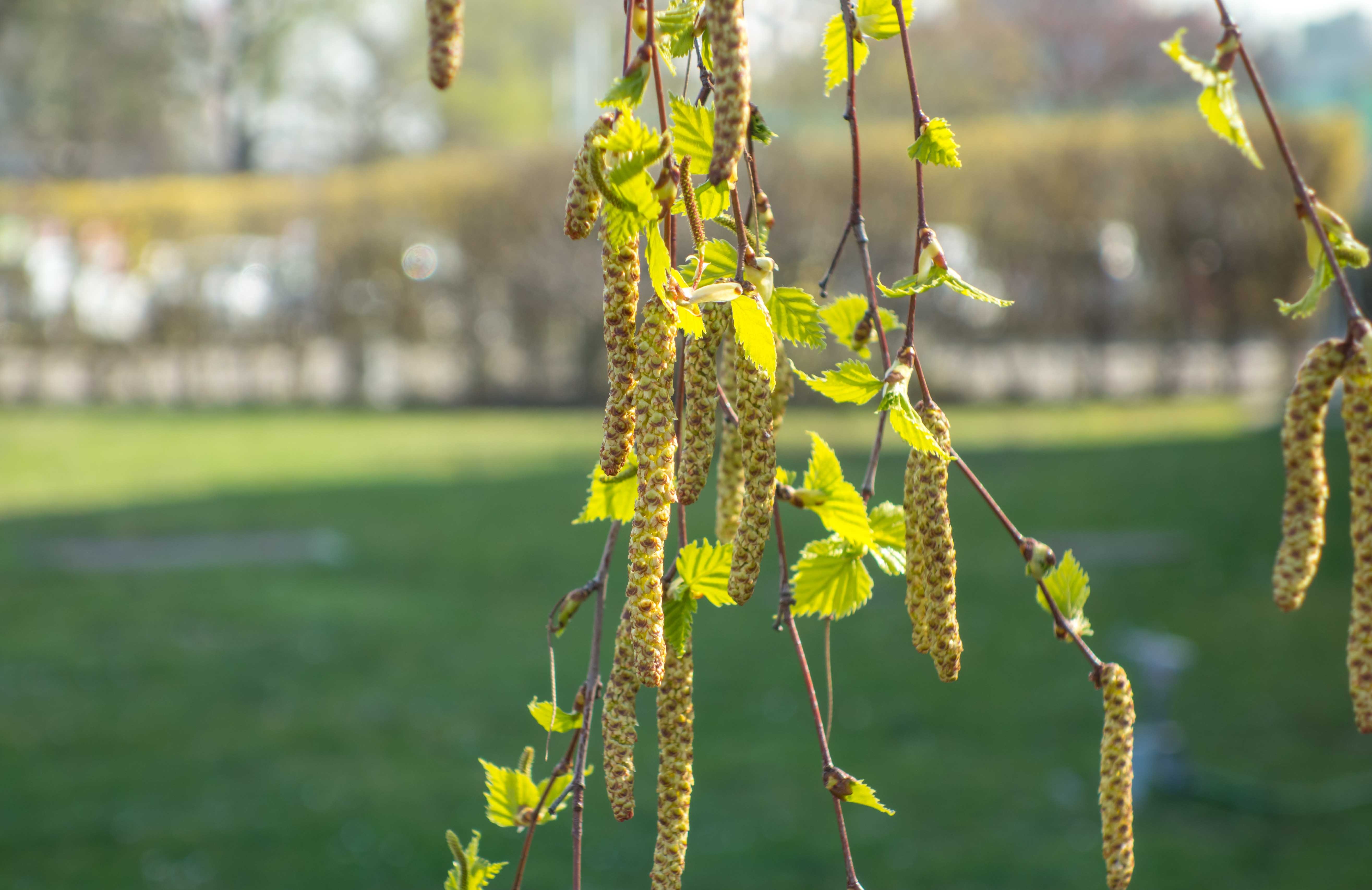
Birch pollen will still be in the air on the running weekend
Birch is the main allergen in April. The main flowering period of birch was reached quickly due to the spring-like weather, and the peak of this season has now passed. The first birch trees have already finished flowering. Nevertheless, up to high levels of birch pollen is still to be expected.
More plants are flowering: plants cross-reactive with birch
Hornbeam and hop beech have been flowering for some time. Oak and beech started flowering last week. The pollen of these plants are cross-reactive with birch pollen, which means that people with a birch pollen allergy may react to their pollen as well. This can lead to more severe symptoms in those affected.
Plane trees dominate the pollen spectrum
Plane tree pollen is currently dominant. The plane tree is a commonly planted urban tree and was already causing high pollination last week, a trend that typically lasts for about two weeks. High plane tree pollen levels are therefore still expected this running weekend if the weather is favorable.
The grasses are not in flower yet
The date of the Vienna City Marathon is too early in the season for the main allergenic grass species to start flowering, so people with grass pollen allergies can expect grass pollen levels to be negligible.
The Pollen Service Vienna at MedUni Vienna is also this year offering a detailed pollen forecast for the Vienna City Marathon, as well as tips and tricks for preparing before, during and after the run. In addition, informative graphics with schematic representations of the increased occurrence of relevant allergenic plants along the running course are available, which were created in collaboration with the VCM team.
The pollen forecast will be updated on Thursday, 16 April 2026, at www.pollenservice.wien, to provide more details and information on the forecasted weather conditions.
Katharina Bastl from Pollen Service Vienna at MedUni Vienna summarises: “The Vienna City Marathon takes place during an intermediate time period of the pollen season, which is favorable for those affected. Nevertheless, one should not forget to prepare accordingly.”
Maximilian Bastl from the Pollen Service Vienna at MedUni Vienna explains: “VCM runners who suffer from a pollen allergy need to make more or fewer precautions, depending on their specific allergy. within the case of a birch pollen allergy, preventive medication is recommended. During the run, wearing a hat and sunglasses can help mitigate contact with pollen. Those only reacting to grass pollen, can take a more relaxed approach.”
Further information
Allergenic plants along the running course – VCM homepage (https://ww w .vienna-marathon.com/?go=health)
Detailed pollen forecast on the Pollen Service Vienna homepage: www.pollenservice.wien