
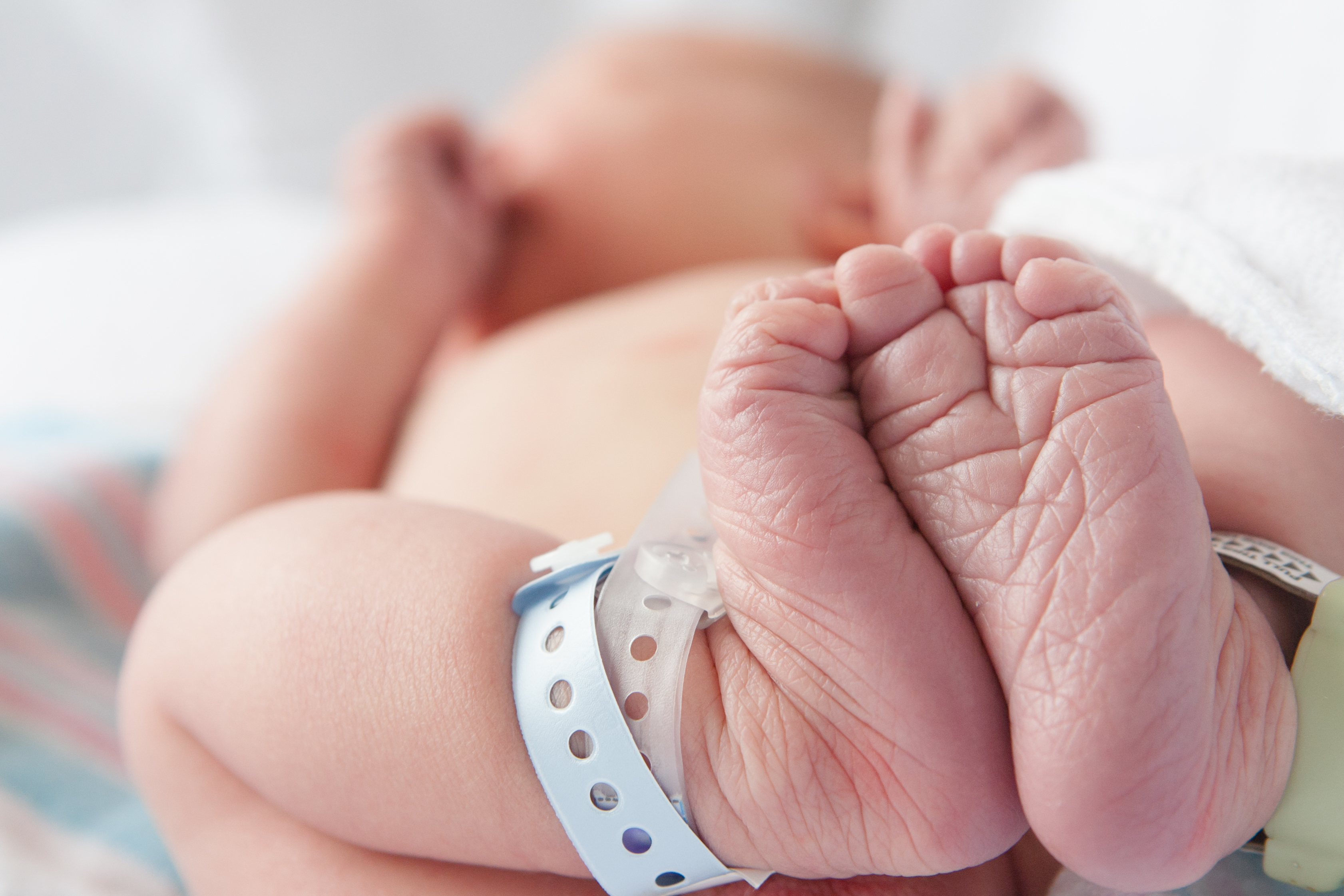
(Vienna, 17 September 2025) Type 1 diabetes is the most common metabolic disorder in children and adolescents. Despite modern therapies, it remains a chronic disease and can also reduce life expectancy. In order to counteract this risk as early as possible, the University Clinic for Paediatrics and Adolescent Medicine at MedUni Vienna and University Hospital Vienna has introduced new screening options that can detect a genetic risk for type 1 diabetes in newborns. The aim is to prevent the development of type 1 diabetes in children through innovative screening and prevention programmes.
Type 1 diabetes is an autoimmune disease that leads to a permanent disturbance in glucose metabolism and requires lifelong insulin therapy. As part of the GPPAD (Global Platform for the Prevention of Autoimmune Diabetes) research network, the Paediatric Diabetology Department at MedUni Vienna and University Hospital Vienna will now be working to improve knowledge about the causes of type 1 diabetes through innovative screening and a prevention study.
The central basis for this is the so-called Freder1k study (GPPAD-02), which is a groundbreaking research initiative for the early detection of genetic risks for type 1 diabetes in newborns, in which newborns are examined for a genetically increased risk of type 1 diabetes. Screening began in August at University Hospital Vienna and MedUni Vienna, as well as at Goldenes Kreuz Hospital, and is to be gradually extended to other neonatal departments in Vienna, Lower Austria and Burgenland.
"We want to inform families about an increased risk as early as possible and enable them to participate in innovative prevention studies. In this way, we are making a decisive contribution to research for a world without type 1 diabetes," explains Birgit Rami-Merhar, head of the specialised area of paediatric diabetology at the Department of Pediatrics and Adolescent Medicine.
Screening without additional effort for parents
Screening is voluntary and only takes place with the consent of the parents. It is based on the routine newborn screening card, which involves taking a small drop of blood from the heel of the child in the first few days of life. This existing sample material enables additional genetic testing without the need for further blood sampling. Around one per cent of the children screened show an increased risk of developing type 1 diabetes. These families are invited to participate in the AVANT1A intervention study (GPPAD-05). The aim of this study is to find out whether COVID-19 vaccination from the age of 6 months reduces the risk of developing type 1 diabetes during childhood in infants with an increased genetic risk of type 1 diabetes. The GPPAD network has already demonstrated that COVID-19 infection in early childhood significantly increases the risk of developing type 1 diabetes. This observation serves as the basis for the study.
"The programme can be seamlessly integrated into existing neonatal care. Our goal is to provide information about the programme when parents register their baby's birth and to obtain their consent immediately after the birth," explains Birgit Rami-Merhar.
The specialised paediatric diabetology department at the Department of Pediatrics and Adolescent Medicine at MedUni Vienna and University Hospital Vienna is now also a member of the international research network Global Platform for the Prevention of Autoimmune Diabetes (GPPAD).