
If my first year of the PhD was about settling into a new environment and understanding how things work, the second year was about stepping into the reality of research, with all its excitement, unpredictability, and challenges.
Building on the Foundation
Having settled into life in Vienna and grown comfortable within the university environment. This year felt less about adaptation and more about development. I became more confident not only in managing my workload but also in taking ownership of my work and decisions.
After taking statistical courses in my first year, I noticed in the second year how much easier it became to actually work with these concepts instead of feeling overwhelmed by them. I also spent quite some time going through thousands of MATLAB tutorials, which made coding feel far less intimidating than it used to. Tasks that once required significant time and mental effort became more efficient and manageable. Presenting was another area that changed. I used to get quite nervous beforehand, whereas now it feels more like a structured conversation.
More generally, I’ve started to see how different pieces of information connect. Instead of focusing on isolated results, it feels more like putting together a puzzle, where the bigger picture slowly becomes clearer.
Compared to the first year, I was no longer just trying to keep up - I was actively contributing, making decisions, and shaping my own path within the PhD journey.
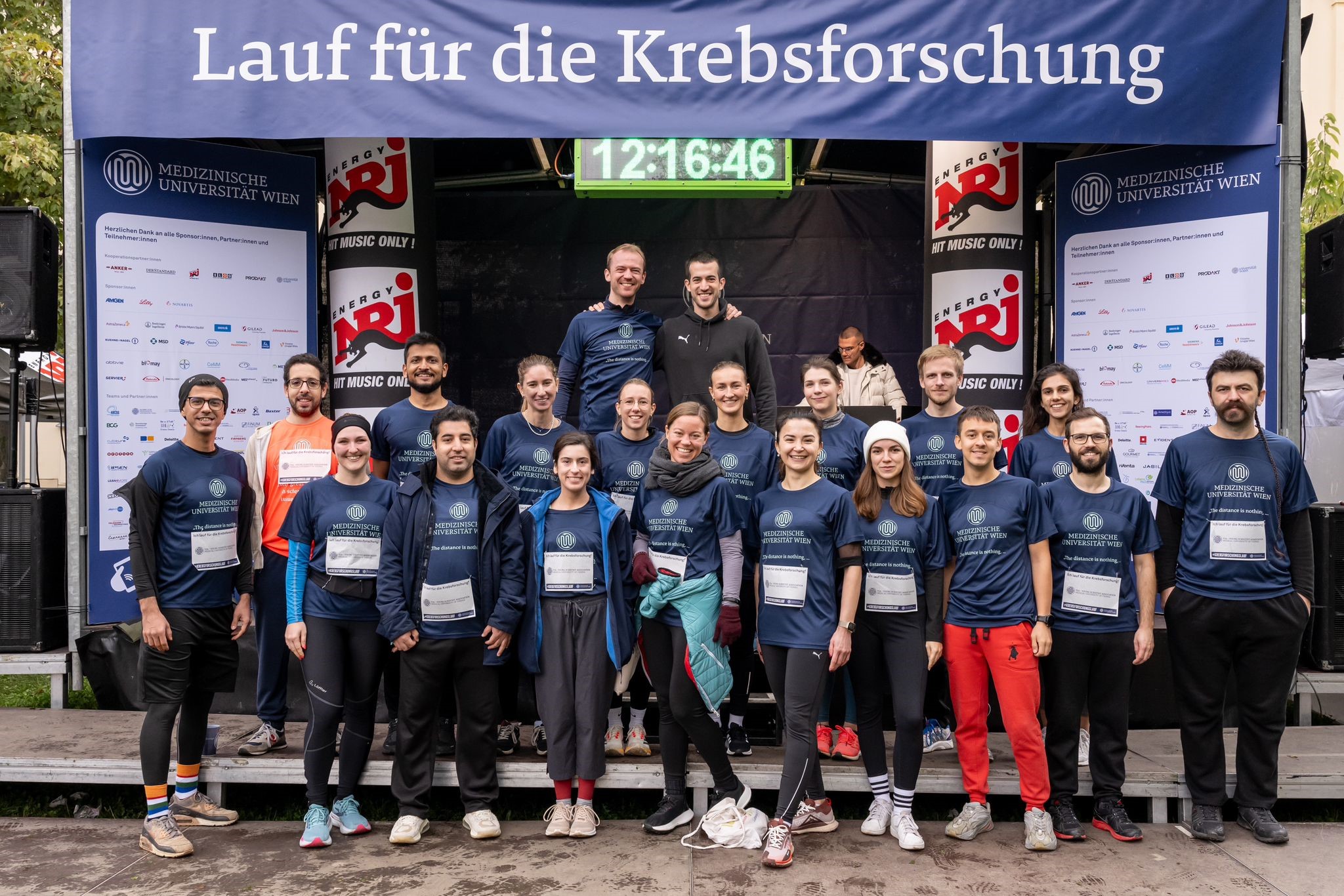
Alongside my PhD project, I continued my voluntary involvement in the Young Scientist Association. I joined because I believe science is built on community as much as on individual work. Supporting the board in organizing the YSA Symposium, one of the largest events for young researchers in the German-speaking region, gave me valuable insight into the effort behind events we usually experience only as attendees. Balancing research and organisation was sometimes challenging, but also showed me a new, more practical side of academic life.
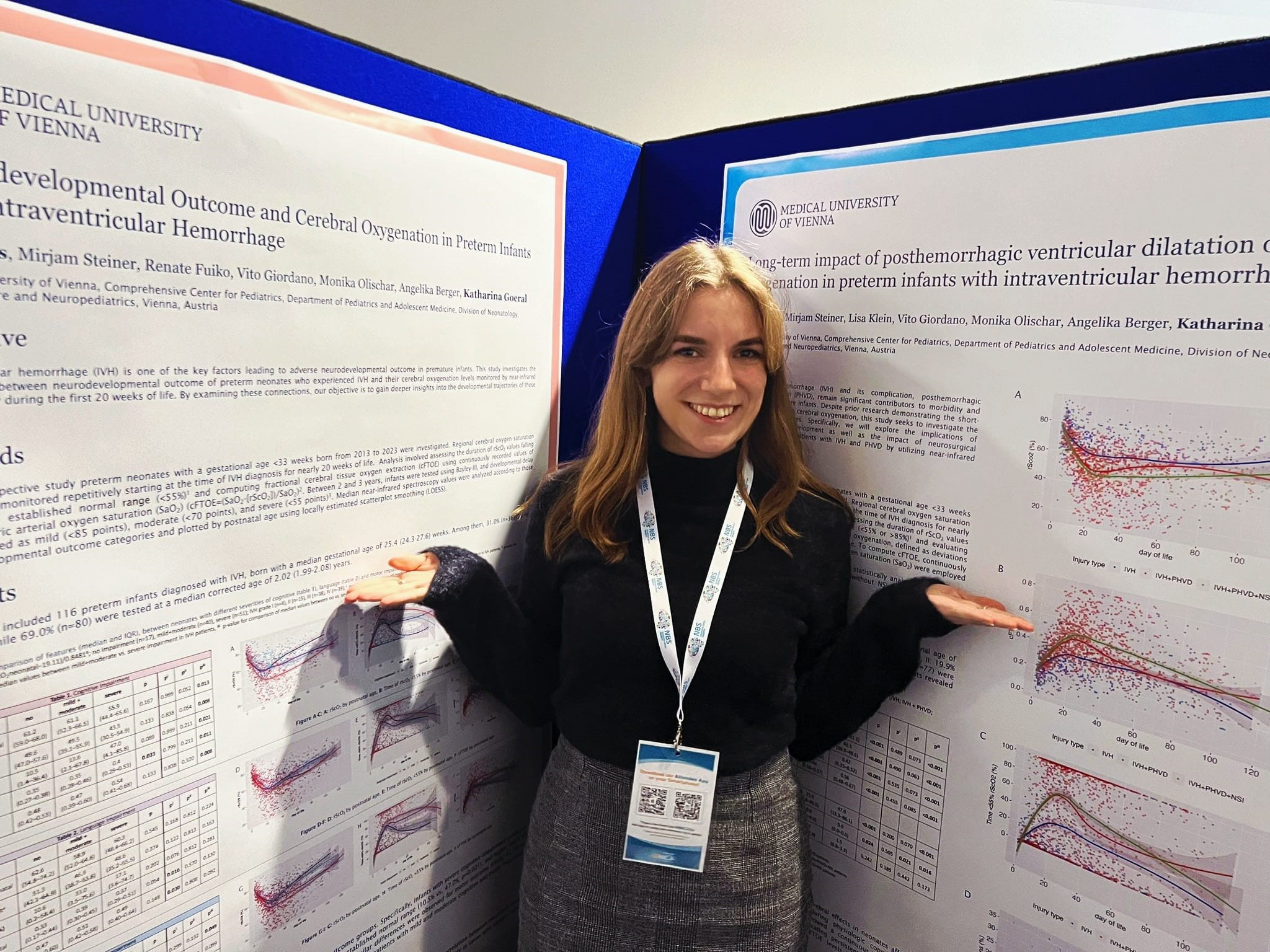
Conferences: A Source of Inspiration
One of the most rewarding aspects of my second year was the opportunity to attend several scientific conferences. Each one was a highlight in its own way. Beyond the academic exchange, traveling to new countries like Italy or Ireland and immersing myself in different environments brought fresh perspectives and energy.
I vividly remember standing in the lecture hall just before having an oral presentation presenting and suddenly realizing that some of the researchers in the audience were authors whose work I have read countless times before. Seeing names, I knew so well from publications now attached to real people created a brief “fan girl-moment” and was a surreal reminder of how small and interconnected the scientific community can feel.
From Pride to Rejection and (hopefully) Back Again
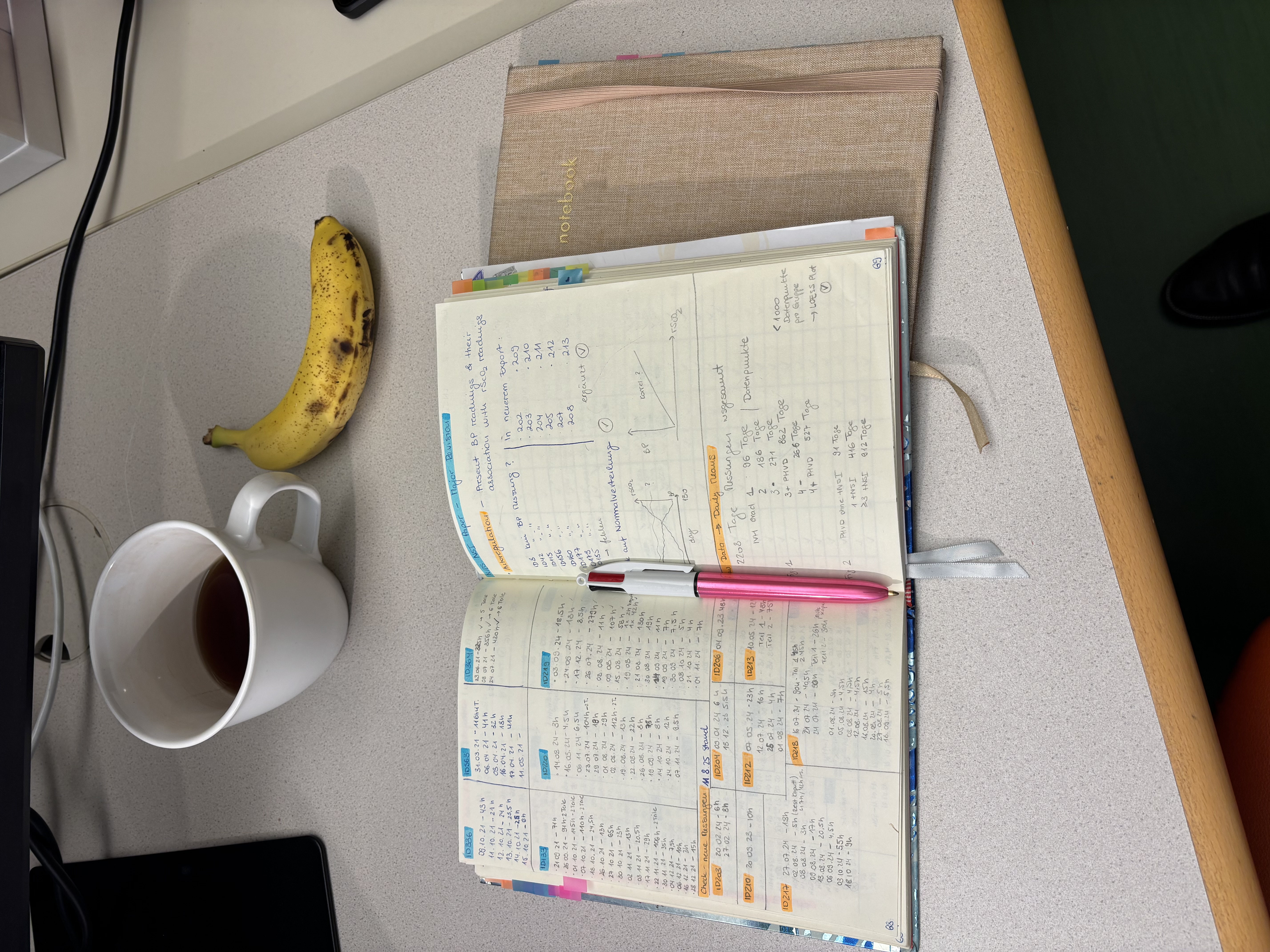
A major milestone this year was submitting my first paper for publication. After months of work, reaching the submission stage was something I was genuinely proud of. However, the initial outcome was not what I had hoped for, the paper was rejected in the first round. While rejection is often described as a normal part of academia, experiencing it firsthand was genuinely tough and disappointing.
With some distance, though, I came to see this moment differently. What first felt like a clear rejection was, in some ways, an invitation to engage more deeply with my own work. The feedback challenged me to rethink arguments, sharpen interpretations, and place the findings into a broader context. I realised that science is less about being “right” from the start and more about entering a dialogue, which opens new perspectives and ultimately strengthens the work.
In this context, a piece of advice from my PI stayed with me: reviewer comments are like advice in life, you can decide what to take on and what not. At the same time, a manuscript can only improve with each revision, and even rejection contributes to that process. This perspective helped me remain open to critique and see it as part of strengthening the work rather than diminishing it.
The process that followed was long and demanding. Revising the manuscript, addressing feedback, and submitting it to another journal required persistence and patience. Eventually, the paper was accepted (YAY!!) - a moment that felt especially meaningful because of the journey it took to get there.
Looking back, this experience was one of the most important lessons of the year. The rejection felt hard at the time, but it also marked the point where I began to understand that progress in research is rarely straightforward. What initially seemed like a setback became an opportunity for reflection, discussion, and growth.
Embracing the Reality of Research
Throughout the year, I came to better understand that research is not a linear process. Some ideas take unexpected turns, and not every plan unfolds as anticipated. Learning to manage these uncertainties, rather than becoming discouraged by them, was a significant step in my development.
If I were asked how I stay motivated, the answer would be quite simple: I stick to small routines. Setting weekly priorities helps me focus on what’s actually manageable instead of getting lost in big long-term goals. Moving regularly, in ways I genuinely enjoy rather than forcing myself, gives me a mental reset. And spending time with friends outside academia, especially those who’ve known me since childhood, helps me gain perspective and reminds me that problems that feel enormous within the PhD bubble often aren’t nearly as big in the outside world. However, the challenges of the year strengthened not only my academic skills but also my ability to adapt, persist, and remain curious even when progress felt slow.
Life Beyond the PhD
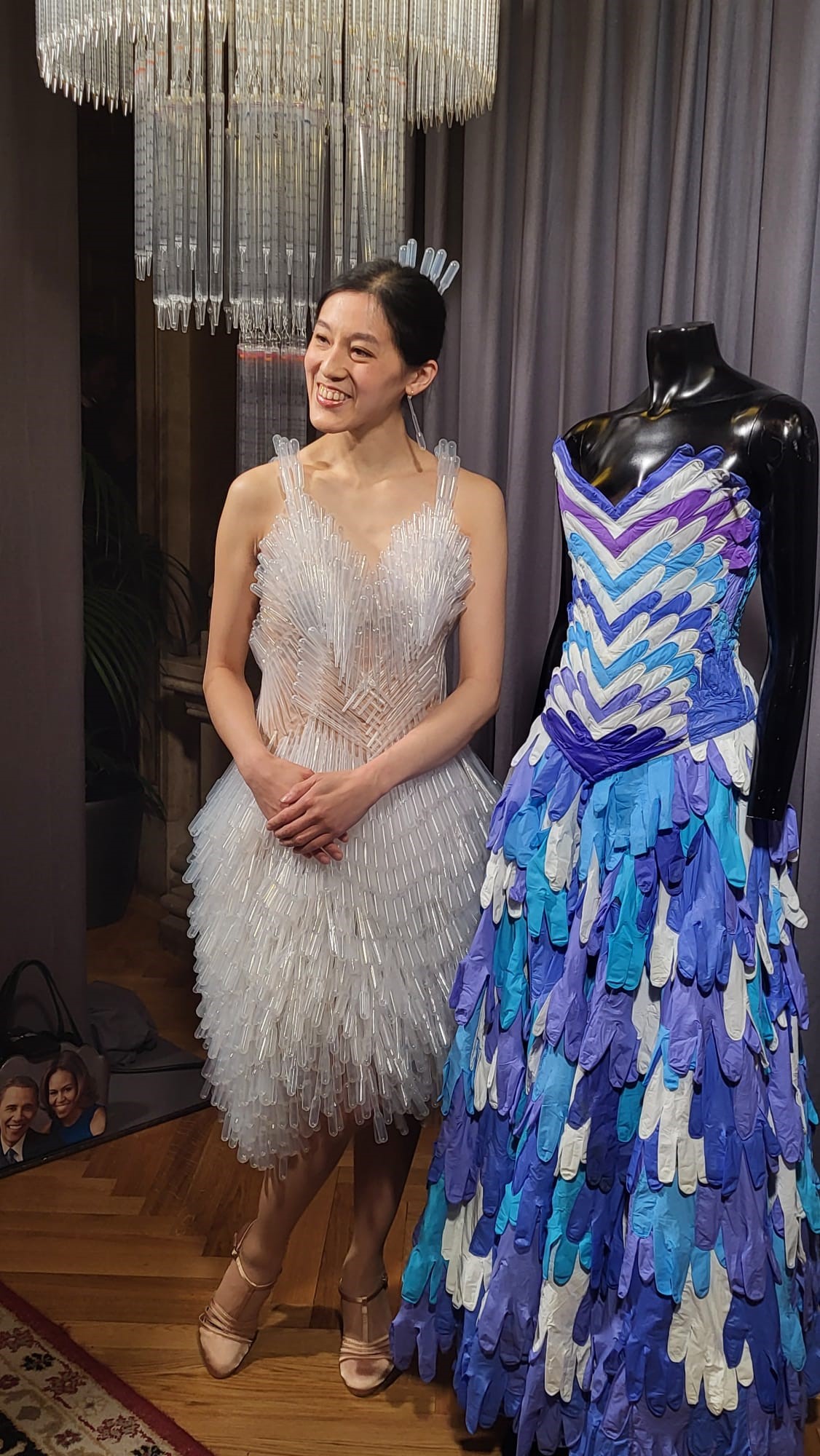
Outside of research, my connection to Vienna continued to grow. What initially felt like a new and unfamiliar city has increasingly become a place I truly feel at home in. Everyday moments, from ice skating in front of the Rathaus, to an after-work drink overlooking the Donaukanal, or simply walking around the city, gradually turned Vienna from a place of “just here for work” into a place of belonging.
One especially memorable experience was attending my first Viennese ball – the Science ball. Stepping into this world of music, elegance, and tradition felt almost surreal, like being part of a fairytale for an evening. However, my own dancing skills were somewhat less fairytale-like, which ultimately led me to sign up for a dance course afterwards, in the hope that next time I might glide across the floor with slightly more confidence and slightly less accidental choreography.
Equally important was building strong friendships, relationships that proved invaluable, especially during moments when things didn’t go as planned. Having people around who understand the challenges and offer support made a real difference throughout the year.
Lessons from Year Two
Looking back, my second year was the point where research started to feel less abstract and more personal.
Presenting at conferences was not just about sharing results — it was about stepping into conversations. Discussing my work with researchers whose publications I have long admired, and doing so on equal footing, made me realise that I am no longer only learning from the field, but actively shaping it.
Submitting my first paper was an important milestone. The rejection that followed was difficult, but it changed how I see feedback. I began to understand it as part of a dialogue — one that strengthens the work and opens new perspectives.
Equally important was recognising how essential a strong support system is, especially when things don’t go as planned. I began to realise that becoming a scientist is not something that happens in isolation. It is shaped and strengthened by the community around you.
With these experiences, I feel increasingly confident in my decisions and more secure in my role as a researcher. My research focuses on preterm infants with intraventricular hemorrhage (IVH) and posthemorrhagic ventricular dilatation (PHVD) — conditions that remain difficult to understand and even harder to predict in terms of developmental outcome. Working with the PIMIENTO cohort, I combine neurophysiological data with machine learning approaches to improve individualized outcome prediction.
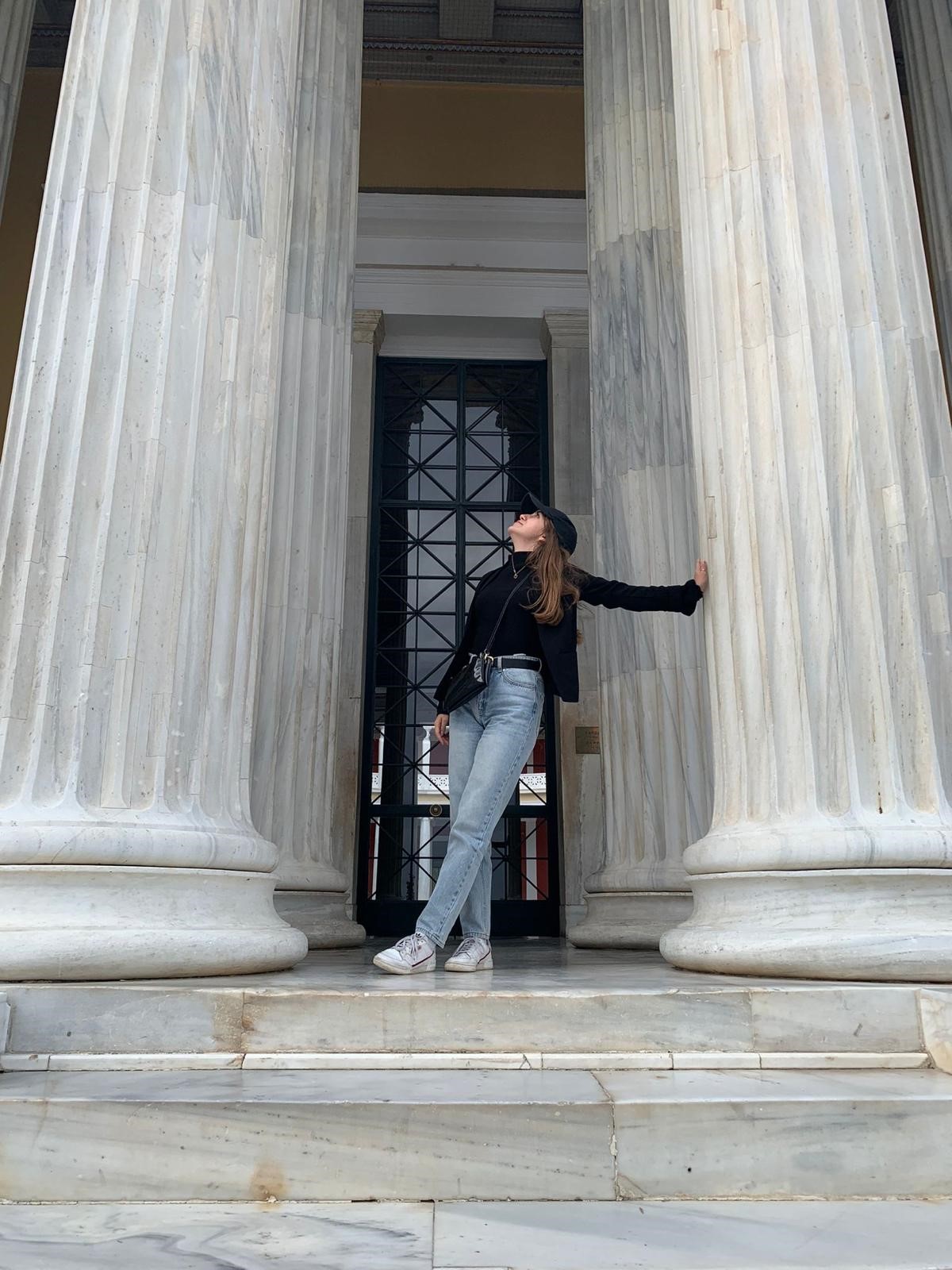
Looking upward now, I am motivated by the possibility that this work may contribute, even in small ways, to clearer perspectives for clinicians and families alike. And for anyone standing where I once stood, wondering whether this path might be right for them — this could be your sign. The PhD call is currently open.