
Confirmed Keynote Speakers 2026
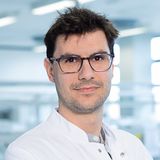
Nicola Gagliani
Research group leader and Professor for Gastrointestinal Carcinogenesis at the University Medical Center Hamburg-Eppendorf, Germany
Nicola Gagliani is a physician-scientist and Professor for Gastrointestinal Carcinogenesis at the University Medical Center Hamburg-Eppendorf, affiliated with the University of Hamburg. He leads a research laboratory within the Center for Internal Medicine (Department of Gastroenterology, including Infectiology and Tropical Medicine) and is also associated with the Center for Operative Medicine (Department of General, Visceral and Thoracic Surgery).
His research focuses on immunology, with particular emphasis on CD4 T cell biology, including their metabolism, differentiation, and adaptability in response to environmental changes such as infections and dietary factors. A central aspect of his work is understanding organ-specific immune responses, especially in the gut and liver, and their role in inflammatory diseases and cancer. His group investigates immune cell interactions, particularly between T cells, B cells, and other immune populations, using advanced approaches such as single-cell analysis.
Look forward to his talk on exploring immune responses in the gastrointestinal tract and liver!

Irina V. Larina
Professor and Kyle and Josephine Morrow Endowed Chair at the Department of Integrative Physiology, Baylor College of Medicine, Houston, USA
Irina V. Larina is a Professor and Kyle and Josephine Morrow Endowed Chair in the Department of Integrative Physiology at Baylor College of Medicine in Houston, Texas. Originally trained in physics at Saratov State University in Russia, she transitioned into biomedical research during her Ph.D. studies at the University of Texas Medical Branch in Galveston, USA. Her research work bridges physics and biology, focusing on the development of advanced optical imaging technologies to study mammalian embryonic development, cardiovascular dynamics, and reproductive biology. Dr. Larina is a Fellow of the OPTICA Society and a Senior Member of the SPIE Society.
Don't miss her talk on how optical coherence tomography can be used for decoding the mysteries of female reproductive physiology.

István Hernádi
Neuroscientist and Full Professor at the University of Pécs, Hungary
István Hernádi is a leading academic at the Institute of Biology and the Department of Neurobiology at the University of Pécs. He earned his PhD in Neurobiology from the University of Pécs in 1997, following an MSc in Biology and Chemistry from the University of Szeged in 1993. Over the course of his career, he has progressed through a range of academic roles at Pécs and has also spent several years as a postdoctoral research fellow in the UK at the Department of Experimental Psychology, University Oxford and Department of Anatomy, University of Cambridge. His research spans neurophysiology, cognitive neuroscience, and translational models of neurocognitive and psychiatric disorders, with particular emphasis on rodent, primate and human psychophysiology. As director of the Grastyán Endre Translational Research Centre of the University of Pécs since 2014, he oversees four laboratories that investigate small-animal behavioral pharmacology, electrophysiology, non-human primate neuroscience and neuropharmacology, and human psychophysiology. His work has significantly contributed to understanding sensory evaluation and attention, reward processing, and decision-making and planning in healthy and diseased states, of which he has published widely in leading scientific journals. He is the president of the Neuroscience Center of the University of Pecs and he is an appointed governing member of the Richter Neuropsychiatry Translational Research Network in Hungary.
His talk will focus on what we can learn about motivation and decision making from animal cognition.
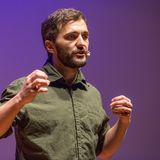
Ed Roberts
Group Leader at the Cancer Research UK Scotland Institute
Ed Roberts completed his PhD with Doug Fearon studying the role of FAPa expressing fibroblasts in regulating anti-cancer immunity. He then was a CRI Irvington postdoctoral research fellow at UCSF with Max Krummel studying how cDC1 initiate anti-tumour CD8 T cell responses. In 2019 he established his group at the CRUK Scotland Institute studying how antigen presentation is regulated in both the tumour microenvironment and the lymph node and how this determines the quality of the anti-tumour T cell response.
Look forward to his insights on immunological memory and tumour development.
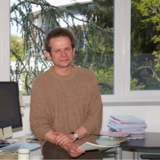
Bernd Pulverer
Chief Editor at EMBO Reports & Head of Scientific Publishing at EMBO Press
Bernd Pulverer is the Chief Editor of EMBO Reports and the Head of Scientific Publishing of EMBO Press. He started his scientific carreer at Cambridge University and earned his PhD in 1992 in London working on signal transduction and transcription. After doing Postdoctoral research in Toronto, Seattle & Innsbruck on transcription and proteolysis, he joined Nature as Senior Editor in 1999. From 2002-2009 he was the Chief Editor at Nature Cell Biology. Since 2009 he is the Head of EMBO Press and was appointed Chief Editor of EMBO Reports in 2021. Additionally, he is part of different commitees for DORA, Review Commons, STM Image Integrity, CoARA and the Biocenter Vienna.
He will talk about transparent publishing and open science, touching on topics like reproducibility and integrity as well as AI usage in writing.