
Pollen forecast for the weekend of the Donauinselfest from 3rd to 5th of July 2026
Caution for allergy sufferers at the Danube Island Festival: persons with allergies should be aware of gras pollen and fungal spores!
Grasses are still the current focus. As grass pollen is also the most common sensitization in Vienna and is present almost everywhere, it is of the greatest importance. On a positive note, we are already in the final phase of the main grass flowering period. The measured pollen concentrations in Vienna have so far been lower than usual, which indicates a below-average grass pollen season.
However, many allergologically important grass species have already finished flowering. With the current stable summer weather conditions, there are still days with moderate grass pollen concentrations.
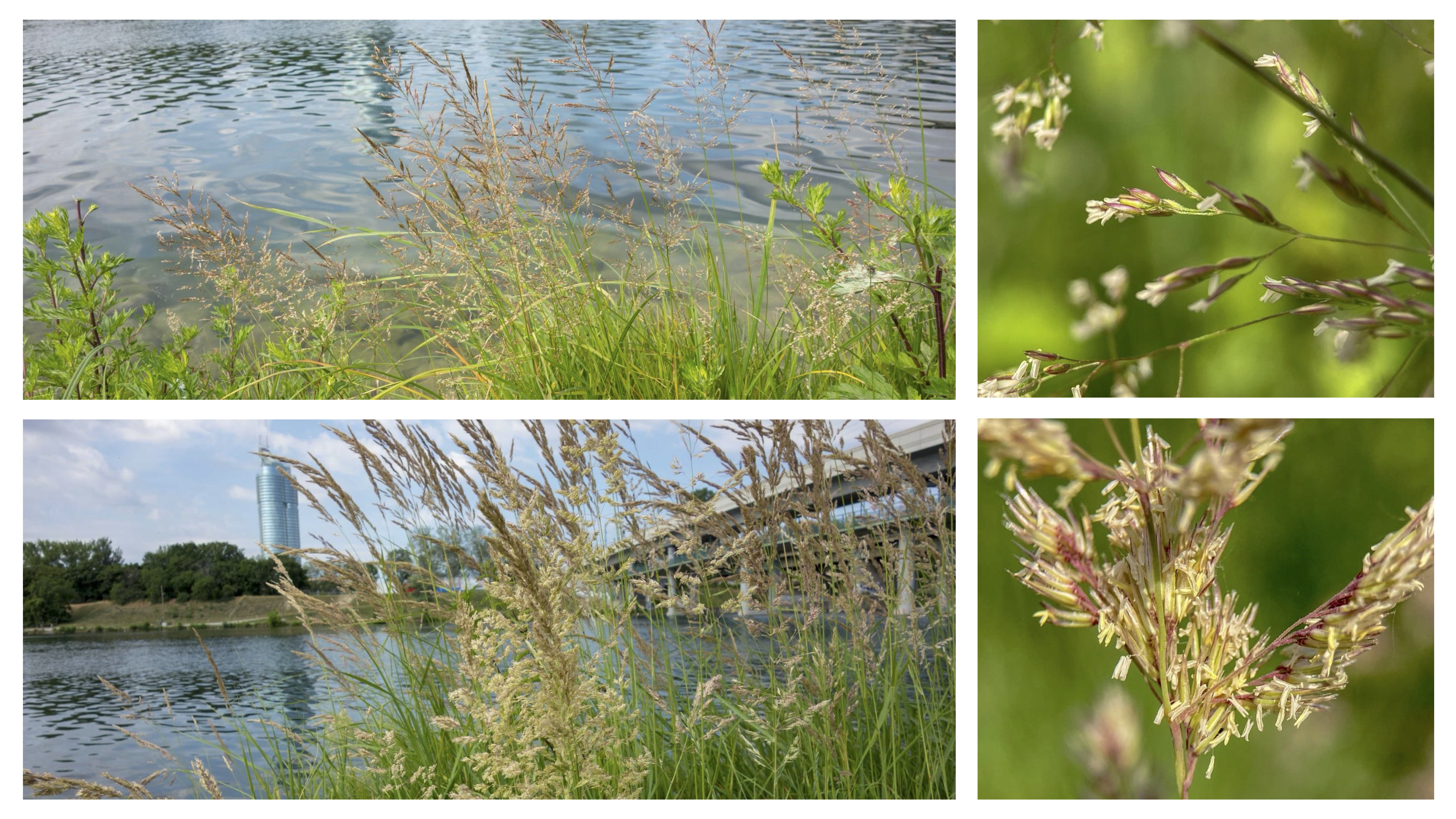
Currently flowering grass species on the Danube Island are: ryegrass (Lolium perenne), reed grass (Calamagrostis epigejos) and bentgrass (Agrostis capillaris). Ryegrass is by far the most widespread and covers large areas of the meadows. It is still in the end of its main flowering stage. Reed grass and bent grass are increasingly found near the banks of the Danube. Bent grass is in full flower. Reed grasses have already faded to flower in some places. Most grass species release pollen, especially in the morning. Bent grass is an exception and releases pollen during the afternoon.
Overall, we therefore assess the situation as fairly typical: pollination from grasses has to be expected, but not as intense as before since the main flowering period of grasses has come to an end.
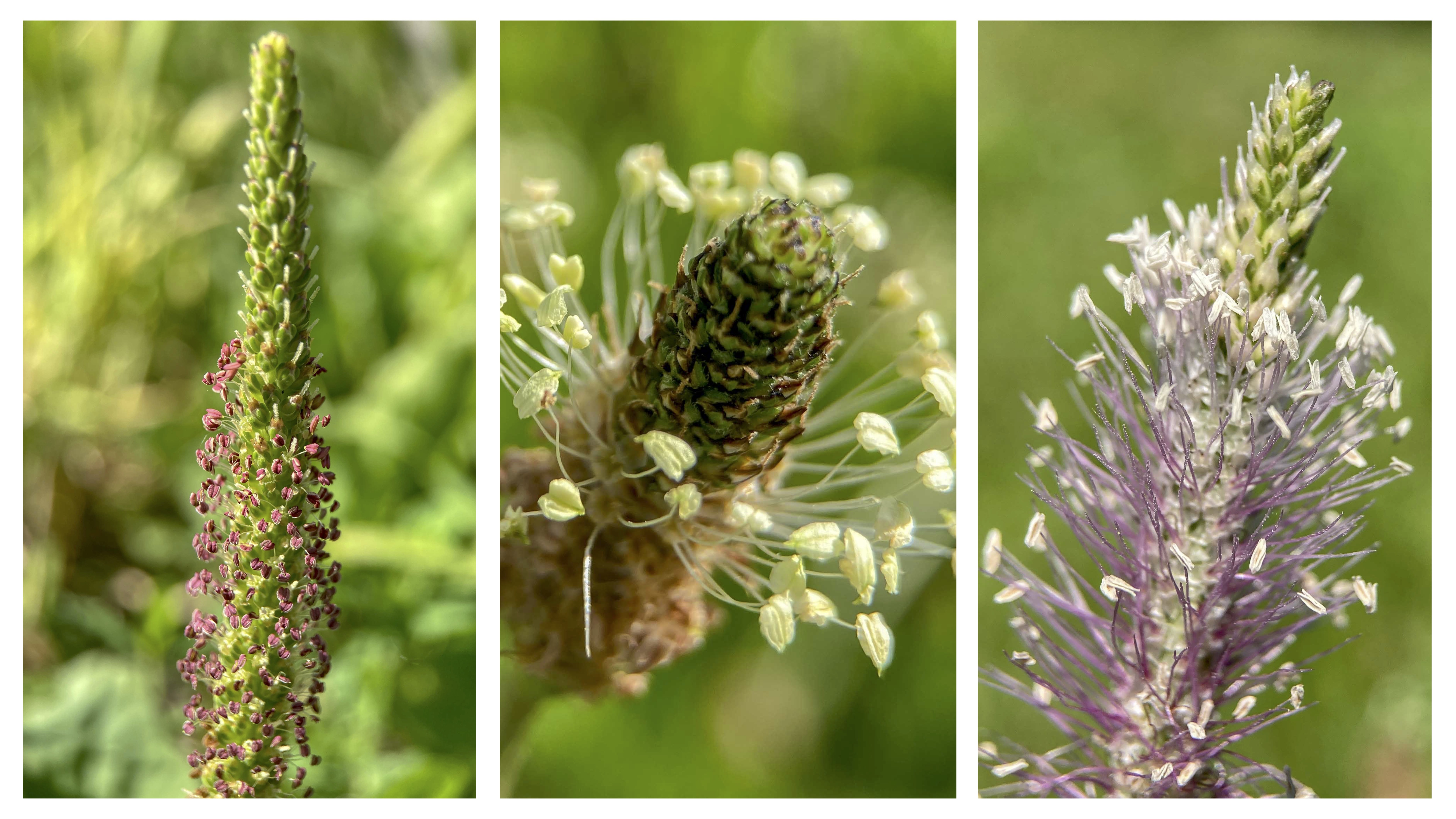
In addition to grasses, plantain and dock are also to mention in the pollen forecast: especially plantain is of interest. It is very common in the meadows of Vienna. This year, its pollen dispersal has been average so far.
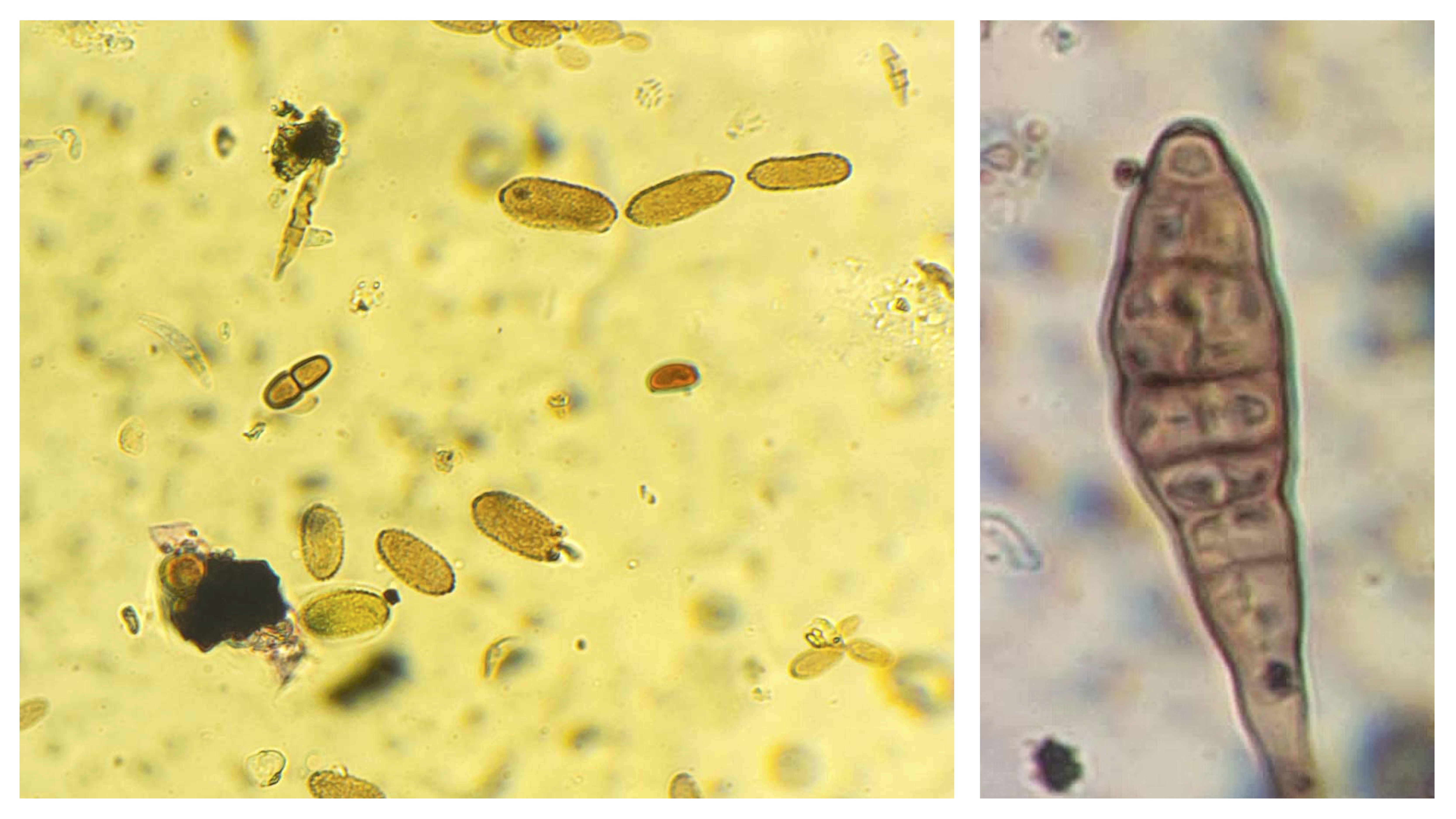
Fungal spores are currently increasingly present in the air. They are benefiting from the summer weather. Spore concentrations rise rapidly, especially after rainfall. Cladosporium and Alternaria are of the greatest relevance for allergy sufferers.
Individuals who have recently reacted significantly should prepare accordingly. We recommend considering appropriate medication, keeping it on hand, or continuing with the intake in advance (depending on the agreement with the treating medical doctor).
The Pollen Service Vienna of the MedUni Vienna is an official partner of the Danube Island Festival.
The team at the Pollen Service Vienna of the MedUni Vienna wishes all visitors to the Donauinselfest a lot of fun and a pleasant time!
Last update on the 29th of June 2026
Additional Information regarding allergen avoidance is avaliable here!