
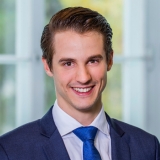
Department of General Surgery (Clinical Division of Visceral Surgery)
Position: Consultant
ORCID: 0000-0003-4771-1398
T +43 1 40400 56210
johannes.laengle@meduniwien.ac.at
Keywords
Apoptosis; Cell Death; Chemoradiotherapy; Clinical Immunology; Colorectal Neoplasms; Colorectal Surgery; Cytotoxicity, Immunologic; DNA Damage; General Surgery; Liver Neoplasms; Macrophages; Monocytes; Natural Killer T-Cells; Necrosis; Oncolytic Virotherapy; Oncolytic Viruses; Phagocytosis; Radiotherapy; T Cells; Translational Medical Research
Research group(s)
- CCC Tumorimmunology
Members: - Ludwig Boltzmann Institute Applied Diagnostics
Research Area: The focus of the institute lies on the development of non-invasive diagnostic methods linking molecular epigenetic and genetic signatures with molecular imaging biomarkers for PET and SPECT analysis. The combination of these two methods will allow for improved functional, spatial and temporal assessment of tumor load and molecular tumor characterization.
Members: - Surgical Research Laboratories
Head: Michael Bergmann
Research Area: The task of the laboratory is to combine molecular/cellular biology and the needs posed by surgical patients. Thus, the laboratory acts at the interface between clinical medicine and basic research, promoting translational medical science.
Members:
Research interests
- Tumor immunology
- Immuno-oncology
- Immunogenic cell death
My main research is focused on:
In particular I am investigating the role of therapy-induced (i.e. chemotherapy, radiotherapy) biological changes in the tumor-immune microenvironment (TIME) of human solid malignancies, such as colorectal cancer (CRC) or colorectal liver metastases (CLM), in a human-translational setting. The research aims are to examine the induction and consequences of a therapy-induced endoplasmic reticulum (ER) stress response, immunogenic cell death (ICD), type I and type II interferon (IFN) induction and tumor-infiltrating immune cells with clinical outcome. My ultimate goal is to develop novel concepts of cancer immunotherapy, using a rational combined treatment approach.
Techniques, methods & infrastructure
- Cell culture techniques (i.e. antibody-dependent cell-mediated cytotoxicity & phagocytosis assay)
- Molecular biology techniques (i.e. FCM, IFC, IHC, IF, ICC, RT-qPCR, ELISA, WB)
- Whole-slide imaging and quantification
Our Surgical Research Laboratories are endowed with various instruments for standard techniques in molecular biology, cell culture, protein biochemistry and immunology. They are located within the Anna Spiegel Research Building, also known as the „Center of Translational Research“ of the Medical University of Vienna, which is equiped with Core Facilities for Genomics, Proteomics, Flow Cytometry and Imaging, providing scientists easy access to state-of-the-art high-end equipment and cutting edge technology to address highly sophisticated research questions.
Furthermore, our studies are arried out within the frames of the Comprehensive Cancer Center (CCC) Vienna and the Ludwig Boltzmann Institute Applied Diagnostics (lbi:ad).
Grants
- Rational and Personalized Targeting of Chemotherapy Resistance in Gastrointestinal Cancer – “CRC-Res” (2026)
Source of Funding: LBG (Ludwig Boltzmann Gesellschaft), Clinical Research Groups
Coordinator of the collaborative project - Programmed Death-ligand 1 Positron Emission Tomography Imaging During Neoadjuvant (Chemo)radiotherapy in Esophageal and Rectal Cancer (PETNEC) (2021)
Source of Funding: Medical University of Vienna, Pilot Study
Coordinator of the collaborative project - Neoadjuvant Chemoradiotherapy With Sequential Ipilimumab and Nivolumab in Rectal Cancer (CHINOREC) (2020)
Source of Funding: Medical University of Vienna, IIT
Coordinator of the collaborative project
Selected publications
- Zirnbauer, R. et al. (2026) “Autologous tumor-immune effusion cocultures enable ex vivo functional profiling of radiotherapy-immunotherapy combinations,” Journal of Experimental & Clinical Cancer Research. Edited by , 45(1). Available at: https://doi.org/10.1186/s13046-026-03707-5.
- Frank, M. et al. (2026) “Spatial organization of stromal subtypes stratifies colorectal cancer patients and predicts clinical outcomes,” Cancer Letters. Edited by , 639, p. 218228. Available at: https://doi.org/10.1016/j.canlet.2025.218228.
- Laengle, J. et al. (2025) “Dual Immune Checkpoint Inhibition Plus Neoadjuvant Chemoradiotherapy in Rectal Cancer,” JAMA Network Open. Edited by , 8(8), p. e2527769. Available at: https://doi.org/10.1001/jamanetworkopen.2025.27769.
- Zirnbauer, R. et al. (2025) “Differential prognostic roles and clinical implications of mitochondrial and genomic tRNA-derived fragments in colorectal liver metastases,” Journal of Translational Medicine. Edited by , 23(1). Available at: https://doi.org/10.1186/s12967-025-06850-3.
- Zirnbauer, R. et al. (2025) “Incidence and Immunopathology of Myositis in Rectal Cancer Patients Treated With Neoadjuvant Immune Checkpoint Inhibitors and Chemoradiotherapy: Findings From the CHINOREC Trial,” MedComm. Edited by , 6(7). Available at: https://doi.org/10.1002/mco2.70275.