
Vickie E. Baracos, University of Alberta
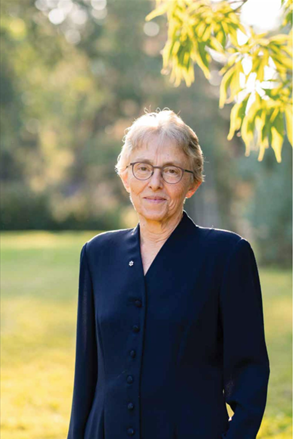
The long-term focus of Dr Baracos’ career is the pathophysiology of skeletal muscle atrophy in an effort that encompasses fundamental and translational research, a clinical research agenda and an international network of strategic collaboration. Cancer cachexia, a debilitating condition characterized by profound atrophy of skeletal muscle has been her focus since 2003. Dr Baracos developed the use of clinical computed tomography to detect and precisely measure the muscle loss which is an integral part of cachexia. Muscle loss is strongly associated with chemotherapy toxicity, complications of surgery and mortality.
Eduardo Bruera, MD Anderson Cancer Center
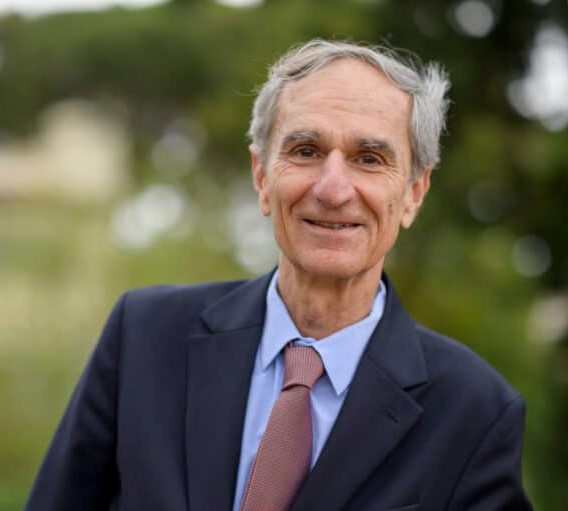
He has received awards from the American Cancer Society, the American Society of Clinical Oncology, and the American Academy of Hospice and Palliative Medicine. He received the Sigillum Magnum by the University of Bologna (2023) and the Balfour Mount professorship by the Royal College of Physicians of Canada (2022). Dr Bruera is a Fellow of the American College of Physicians, American Academy of Hospice and Palliative Medicine, the American Society of Clinical Oncology, and King’s College London. He has received honorary doctorate degrees from the University of Montreal (2017) and Universitat Internacional de Catalunya (2023) and Master of the American College of Physicians (2024).The Canadian Society of Palliative Medicine established the “Eduardo Bruera Award” as a career award for palliative care specialists. The Latin American Association for Palliative Care has established the “Eduardo Bruera” career award for research.
Stephan Herzig, Helmholtz Center Munich
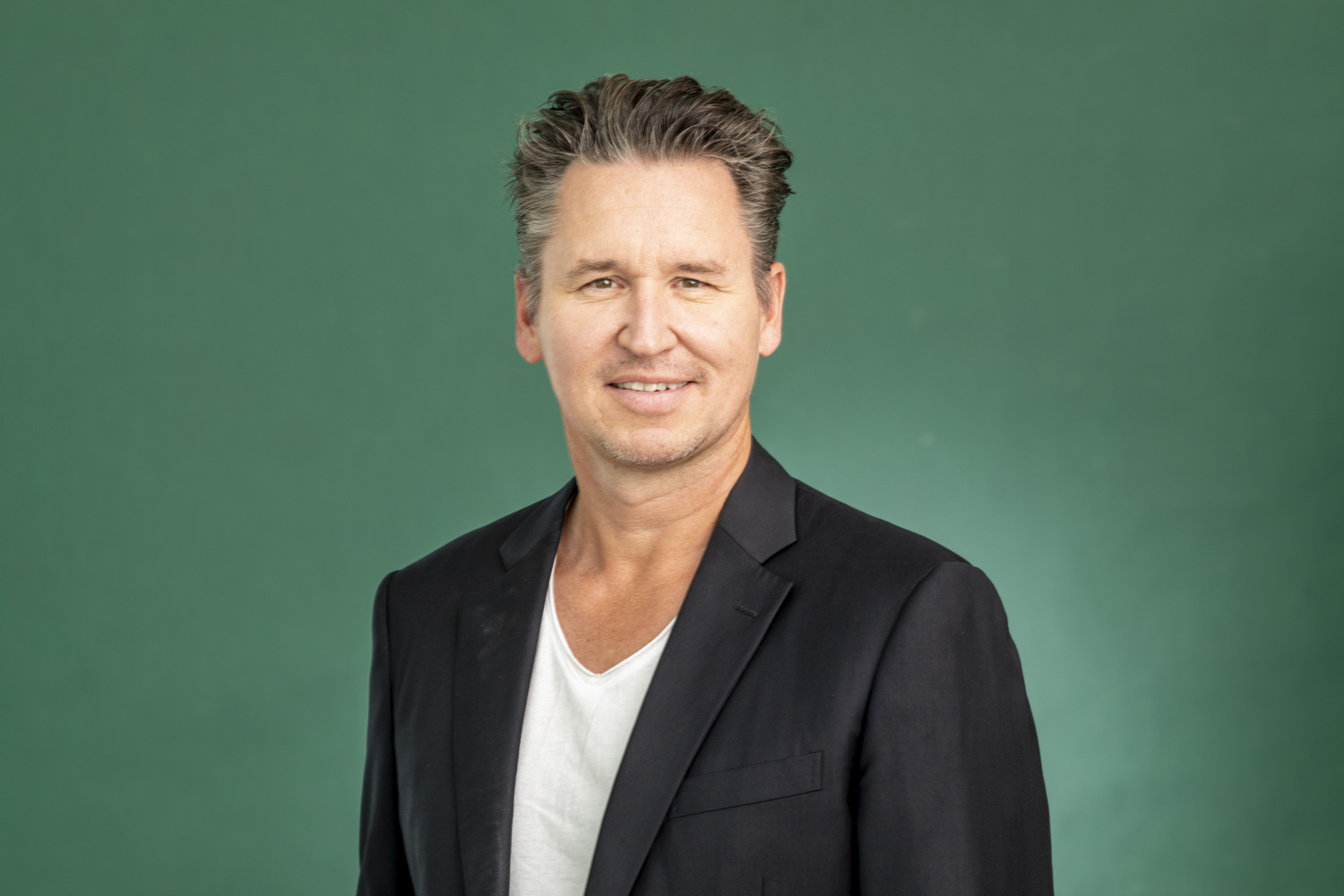
Stephan Herzig is Research Director at Helmholtz Munich, Scientific Director of the Helmholtz Diabetes Center, and Director of the Institute for Diabetes and Cancer. He holds a full professorship for molecular metabolic control at the medical faculty of the Technical University Munich and is honorary professor at the University of Heidelberg.
The Herzig lab aims at identifying novel therapeutic targets for treating metabolic dysfunction.
To date, he has published more than 200 peer-reviewed papers including numerous publications in Nature, Nature Medicine, Nature Metabolism, Science, and Cell Metabolism, and holds several patents. Stephan Herzig is serving the scientific community by several coordinating functions in national and international consortia, and he is Editor-in-Chief of Molecular Metabolism.
Sheng 'Tony' Hui, Harvard University
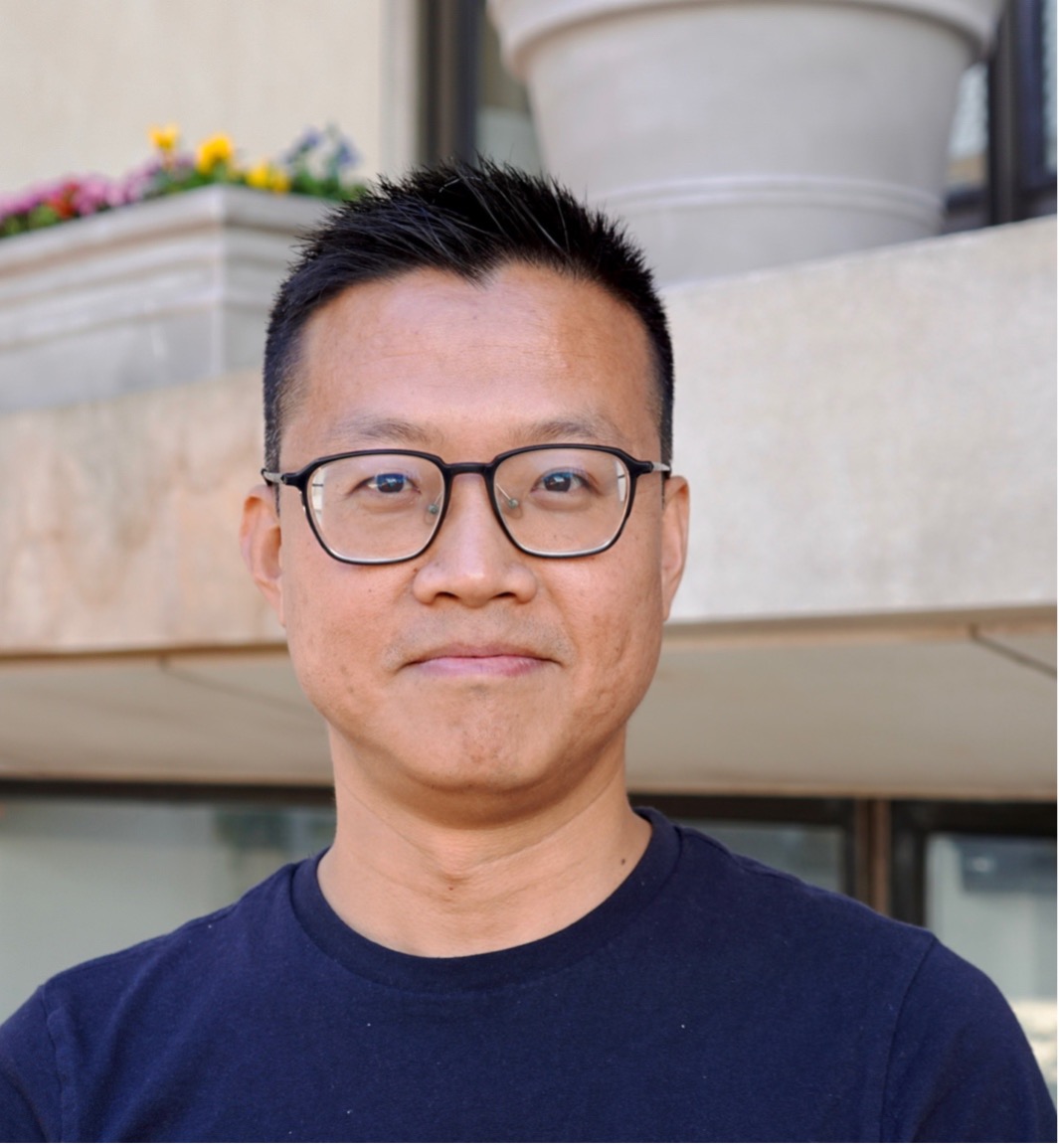
Tony Hui is an assistant professor of molecular metabolism at the Harvard T.H. Chan school of public health. He obtained his PhD in biophysics at UCSD working on quantitative analysis of bacterial metabolism. He then trained as a postdoctoral fellow in the lab of Josh Rabinowitz at Princeton University on quantitative flux analysis in mice. Dr. Hui’s lab develops advanced in vivo flux quantification methods and applies them to understanding diseases with dysregulated energy metabolism focusing on obesity and cancer cachexia.